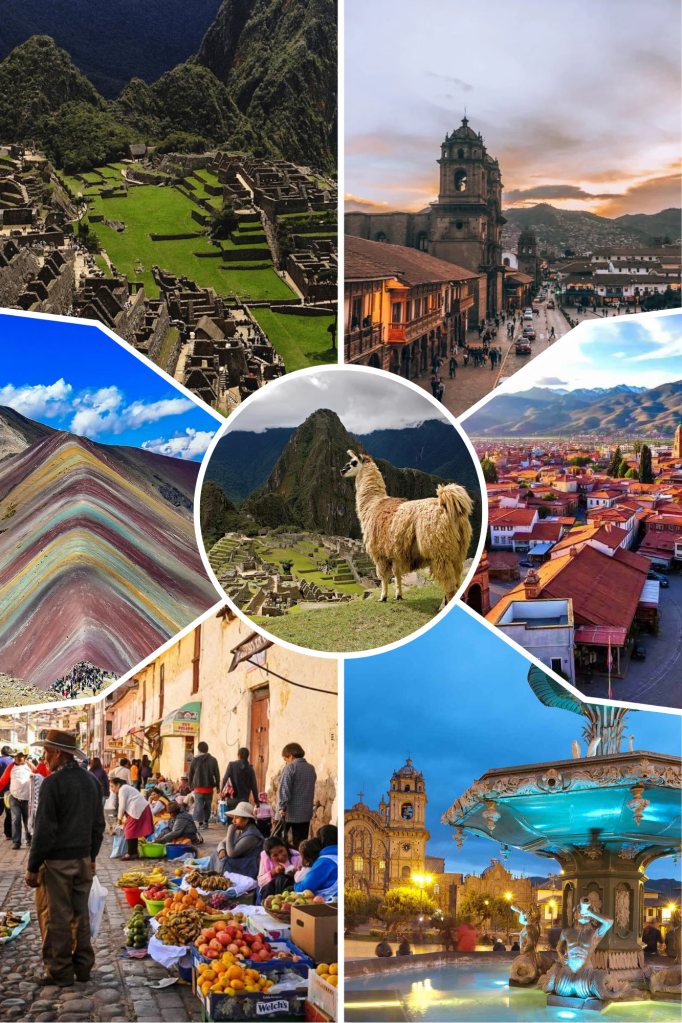
Are you a travel enthusiast who’s looking for the most festive and exciting things to do in Cusco, Peru? If so, I got you! The mesmerizing city of Cusco, Peru, where the vibrant culture and stunning surroundings blend seamlessly with the echoes of ancient ruins! The alternatives are unlimited in Cusco since there are so many things to do. But, let’s first take a quick look into Cusco’s history before going on to the exciting things you shouldn’t miss there.
Cusco is well-known for its abundance of ruins, Quechua culture, Spanish convents perched on Inca foundations, and delicious cuisine. This historic Inca capital is not only one of the most popular places to visit in Peru, but it also serves as the primary starting point for travelers and hikers heading to Machu Picchu. Truly, Cusco is a destination in and of itself due to its archaeological sites, significance in South America, charming mix of brick avenues colonial-era architecture, and that distinct Peruvian street spirit.
After spending some time in this energetic city, I realized that there’s so much to do, it can be overwhelming, so I’ve narrowed down the array of historical monuments, museums, local market, vistas, and other attractions for you. Here are the top 12 amazing things to do in Cusco, Peru, listed in no particular order.
1. Experience The Splendor Of Plaza de Armas
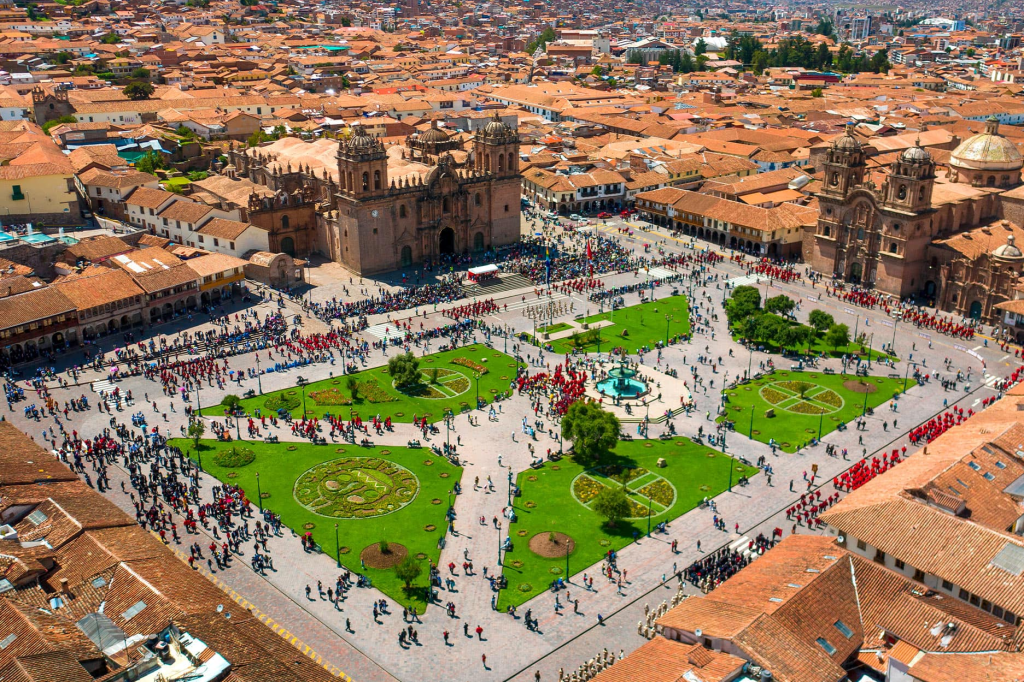
If you are traveling to Peru’s capital, the elegant Plaza de Armas in Cusco’s main square is one of the first things you should visit when arriving in the city. One of its beautiful features is the lovely squares featuring a monument of Pachacutec in the middle and is encircled by stunning colonial houses. It was constructed atop the ruins of Huacaypata, also known as the Great Inca Square, an Inca meeting site.
Let’s have a short and fun fact! Did you know that Francisco Pizarro established Lima in 1535 precisely in Plaza de Armas? This, then, is compelling evidence that it is the town’s oldest square. Quite amazing, right? Historical structures around the square, such as the Cathedral, the Palacio Arzobispal, and the Palacio de Gobierno, all exhibit the splendor of the past.
There are several park chairs perfect for relaxing while admiring the view, beautiful grassy spots, a pavement lining the plaza, and of course, the famous water fountain! This fountain is a historical and artistic marvel, not just your regular water feature. It was carved out of stone many years ago, and it is a reminder of the creativity and resourcefulness of the aboriginal people who formerly lived here. The elaborate carvings, which feature scenes from Incan mythology, are interlaced throughout with symbols of fertility and the natural world.
Why not treat yourself to a coffee from the adjacent shop if you’re wanting to relax? Choose a comfortable place to relax and take in some leisurely people-watching. Getting a bite to eat at one of the numerous little cafes or eateries in the neighborhood is a fantastic alternative. It’s the ideal approach to appreciate your travel and take in the vibrant park ambiance at the same time. Undoubtedly, the plaza offers an ideal setting for people-watching and absorbing the local history while you partake in your Cusco activities!
2. Pet A Cozy Alpaca or Llama
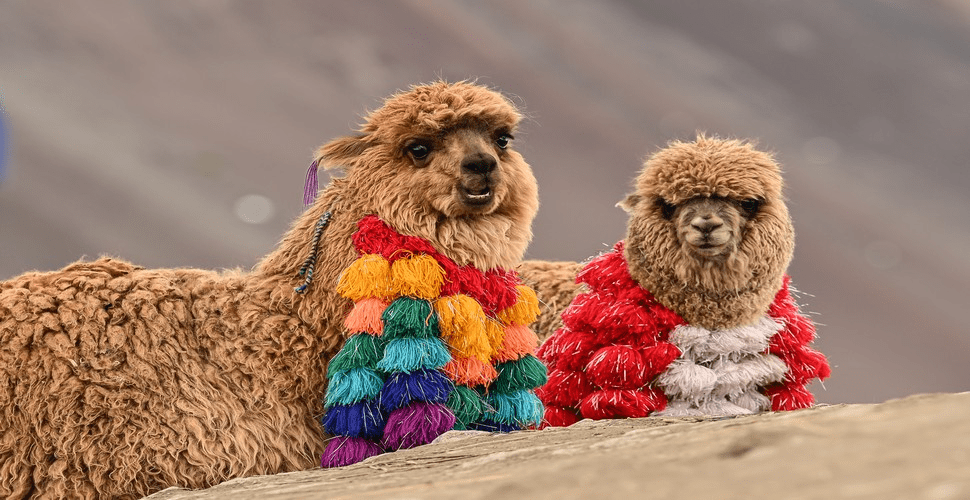
Next on our list of beautiful things to do in Cusco is petting one of Peru’s most beloved animals: the alpaca! Well, you’ve got to take good notes if you’re an animal lover.
Alpacas are highly valued in Peru, where they are known for their pricey wool. This amazing animal has been and continues to be an essential component of Andean daily life and the culture since pre-Inca times. Alpacas may be found across Peru, including districts from the northern highlands and Puno, Cusco, Arequipa, and Huancavelica.
They have a timid nature yet a soft, serene manner. Several people in the area train alpacas as pets due to their higher level of intelligence. Because of its lightweight, thermal, and non-allergenic properties, its hair is in high demand in the textile business. Alpaca wool is far softer to the touch and doesn’t itch on the skin as sheep wool does. In addition to being less prone to pill when worn, its longer fibers make it more resilient than cashmere.
Now, let’s talk about llamas! Were you aware that they have thousands of years of history in Peruvian culture? Yes, they have been assisting with everything from producing wool for those warm alpaca jumpers you see in the marketplaces to transporting things over historic Inca roads. Not to mention their eccentric personalities—they have a very endearing blend of curiosities and aloofness that makes you want to spend all day with them.
These cuddly, four-legged creatures may be seen strolling about Cusco’s streets wearing brightly colored accessories, escorted by women from the area who will take your picture for a mere 5–10 soles. To prevent bargaining, make sure you decide on your pricing before you take the picture.
3. Explore The Marvel Centro Historico De Cusco
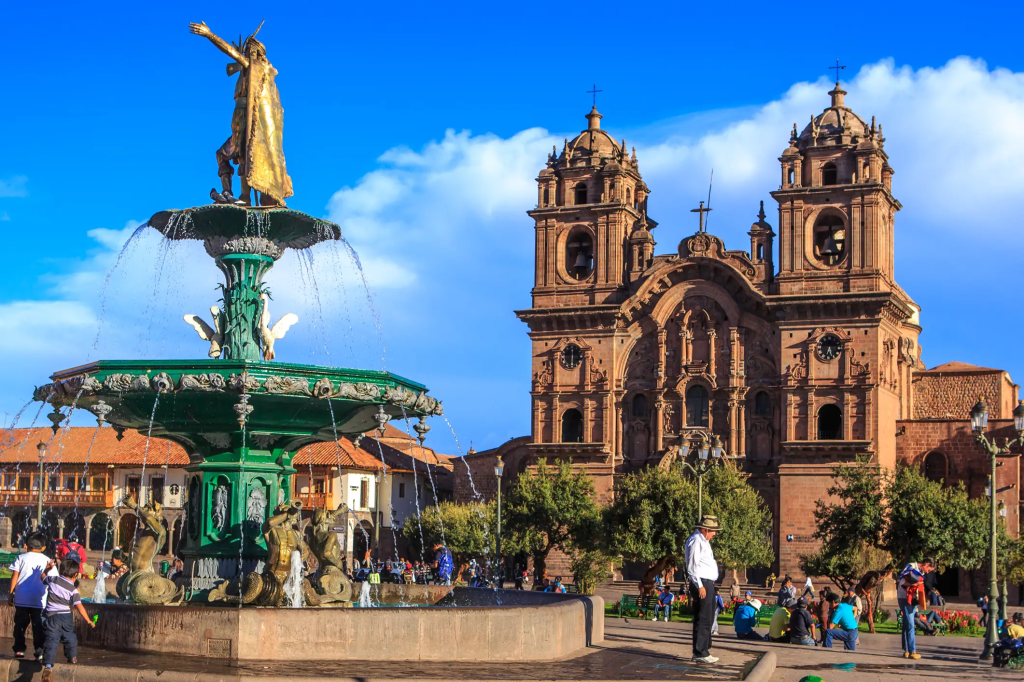
Traveling through regions that the Inca culture constructed is part of exploring the Cusco Historic Center. Cusco’s historic center is the heart of the city and has been designated a UNESCO “World Heritage Site”. This is due to its historically significant lineage from the Incas and the Spanish. Known sites include the Inca walls, center square, churches, and marketplaces. There are a lot of hotels, eateries, and artisan stores in this area; making it a popular destination for you to gather, relax, and see the charm of the city.
Perhaps you’re concerned about the location’s safety, no need to worry, because Cusco Historic Center is a secure area.There are a decent amount of police, making it safer to travel around Cusco than some other Peruvian citadels.
4. Visit Cusco’s Artisan Markets & Get a Souvenir
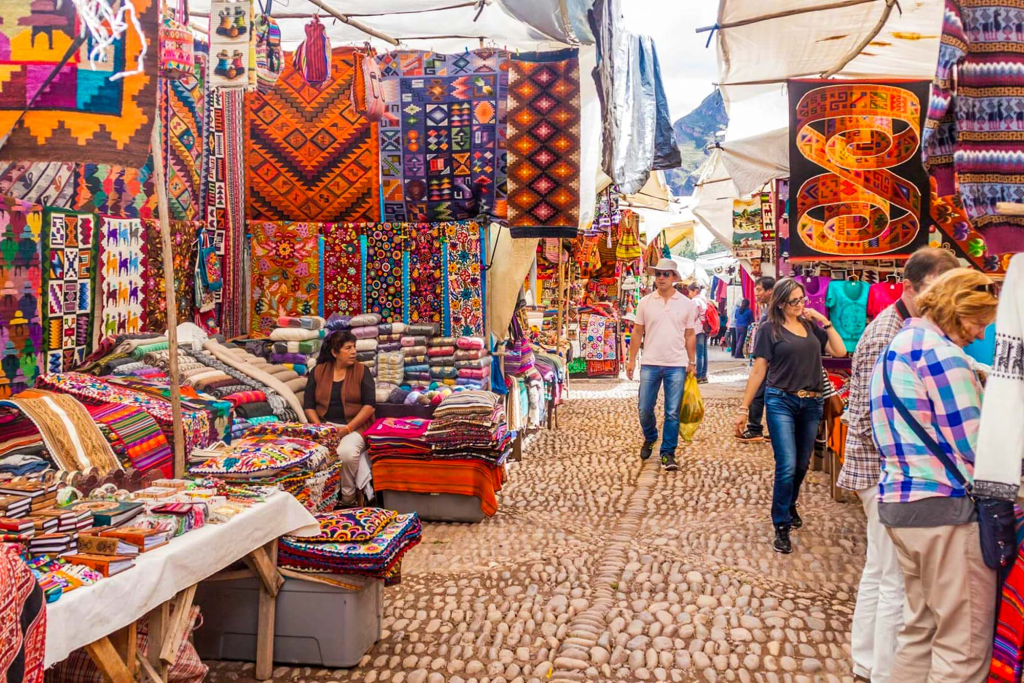
Aside from wandering, there are also several craft shops in Cusco’s historic center where you may purchase items like Andean musical instruments, Inca-themed pottery, alpaca clothing, Peruvian silver and gold jewelry, and a variety of souvenirs. Cusco has a rich cultural past that has endured the ages and conquests. A mecca for genuine souvenir shopping, Cusco is a city filled with culture and history. Cusco’s marketplaces provide a wealth of handcrafted products, ranging from beautiful silver jewelry to delicate handwoven fabrics.
Every market is unique, with a wide variety of delicacies that showcase the city’s rich cultural past. The marketplaces there are colorful mosaics of culture, artistry, and color. One of the things that you shouldn’t miss is their well-known traditional blankets of Cusco, which are crafted using age-old methods, are evidence of this. All of these markets offer premium souvenirs that you’ll surely love!
♻️ Sustainability tip: I’d say it’s best to bring your own reusable shopping bags while wandering and looking for souvenirs of a fun trip. Why? Mainly because it avoids toxins from attaching to the products or goods you purchase. Better to be safe than sorry, right? Also, using reusable shopping bags ensures planet care!
5. Taste Test Or Make Chocolate At The ChocoMuseo
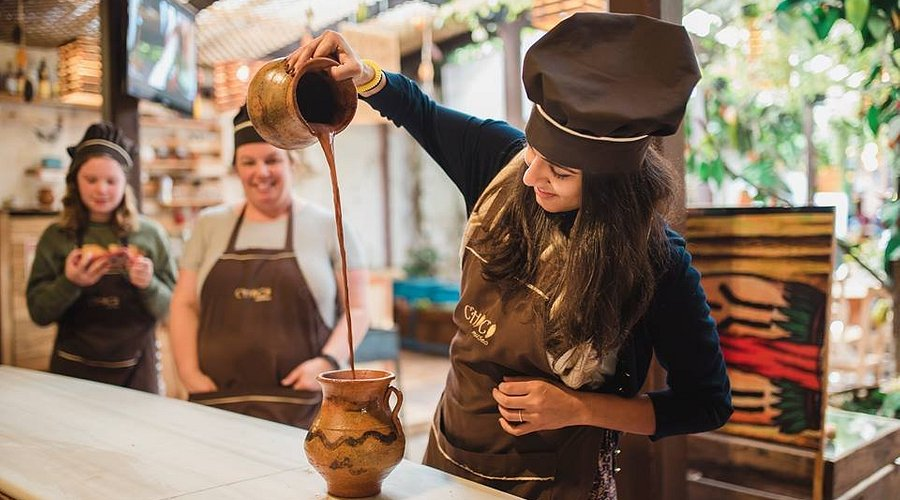
ChocoMuseo, which has several sites around Peru, a tasty and educational look into this fascinating past and future of chocolate. Not to mention, the classes and samples will send you into a chocolate-induced haze. It’s not so much a museum as it is a chocolate store. Also, its sculptures are made of chocolate and windows that allow you to observe the chocolate-making process.
To keep things short, sweet, and exciting; if you enjoy chocolate and are traveling to Cusco, you’re in luck! You can work directly with cocoa, making various products, and creating your own chocolates. Some of the equipment is reachable, and you can test out the various items on display in the showcase!
The Chocomuseo offers free admission. S/.8 (about $2.85 USD) for hot chocolate and coffee. Chocolate classes start at S/.70 (about $25 USD). The chain ChocoMuseo has two locations in Cusco, one in Ollantaytambo, and two in Lima. There are even some now that are outside of Peru.
Address: Plaza Regocijo, Cusco 08000, Peru
6. Taste Delectable Vegetarian & Vegan Peruvian Foods
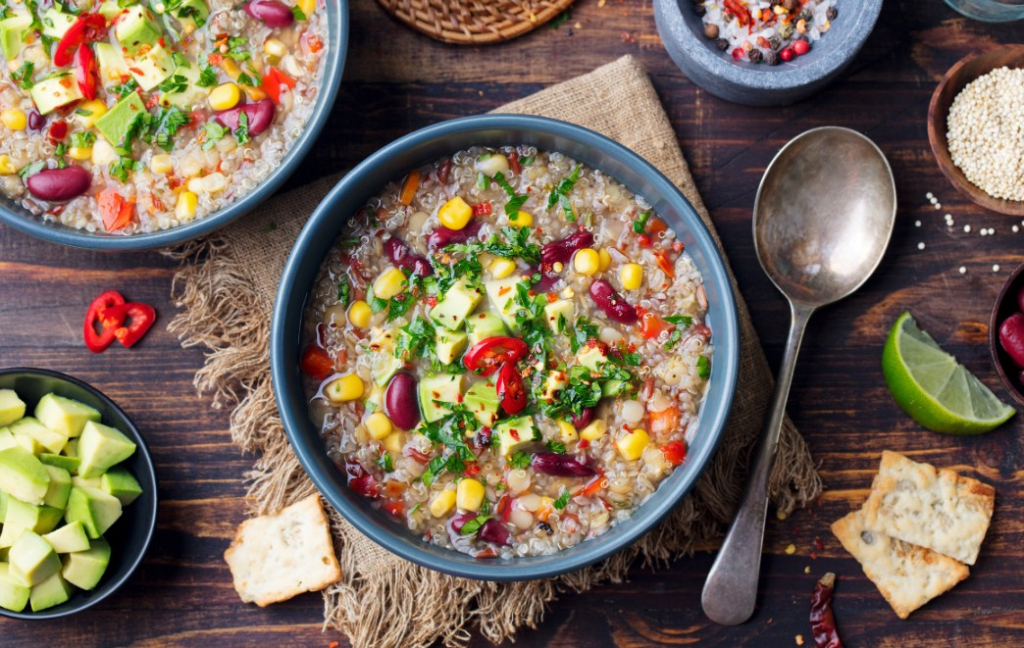
Cusco boasts a distinctive and delectable cuisine influenced by African, Spanish, and indigenous elements, providing a sensory extravaganza. Don’t forget to sample the regional cuisine, which includes, but is not limited to, aji de gallina, ceviche, anticuchos, lomo saltado, and the amazing huancaína potatoes. Peru produces more than 3,000 varieties of potatoes, so make sure to try them baked, boiled, and fried! I’m sure you’ll never regret it.
The Papa a la Huancaina and the Papa Rellena are two of the most well-known potato recipes in Peru. The first dish is the well-known Papa a la Huancaína, which is composed of precisely cooked potatoes topped with boiled eggs and olives in a creamy sauce made from yellow pepper. Every bite is like an explosion of flavor! Then there’s the substantial Papa Rellena, which is cooked to golden perfection and tastes like a potato dumpling loaded with delicious delights like pork, onions, and spices. Peru’s national beverage, the Peruvian Chicha Morada, is also perfect for drinking while taking in the views from one of the main plaza’s numerous balconies.
Some of the locally grown vegetables include corn, quinoa, aji peppers, artichokes, asparagus, lima beans, and avocados! All of these can be purchased through markets.
7. Explore The Enchanting Neighborhood Of San Blas
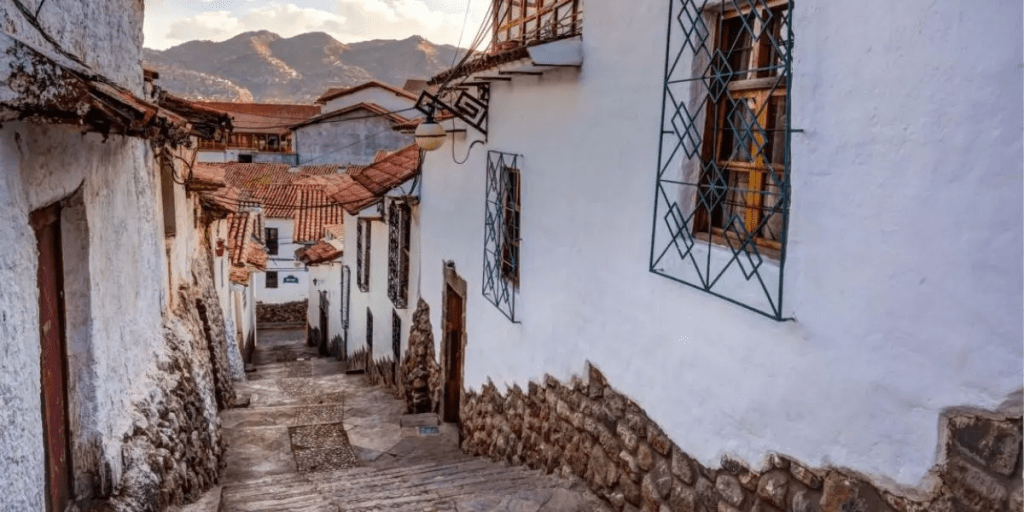
San Blas is one of Cusco’s most famous neighborhoods and a must-see destination. The city’s high, winding cobblestone lanes, which are next to the main plaza, are dotted with a variety of stores and eateries. San Blas, Cusco’s oldest and possibly most attractive district, is renowned for its incredibly tiny and vibrant streets.
This lively neighborhood’s bohemian character is derived from the painted blue doors and vibrant decorations found on each of the homes and shops along the streets of Cusco. Always be ready to strike a pose for pictures, since this lovely area is perched atop a hill and offers a view of the main plaza and all surrounding buildings!
Not only do local artists reside and sell their creations here, but there are also secret cafés serving French, Italian, American, and of course Andean food. Choose your favorite area to sip a chicha morada and people watch, and you’ll undoubtedly see a variety of street performers during your visit! Of course, remember to pack your camera—this is among the city’s most picturesque locations.
8. Toss A Sol In The Fountain
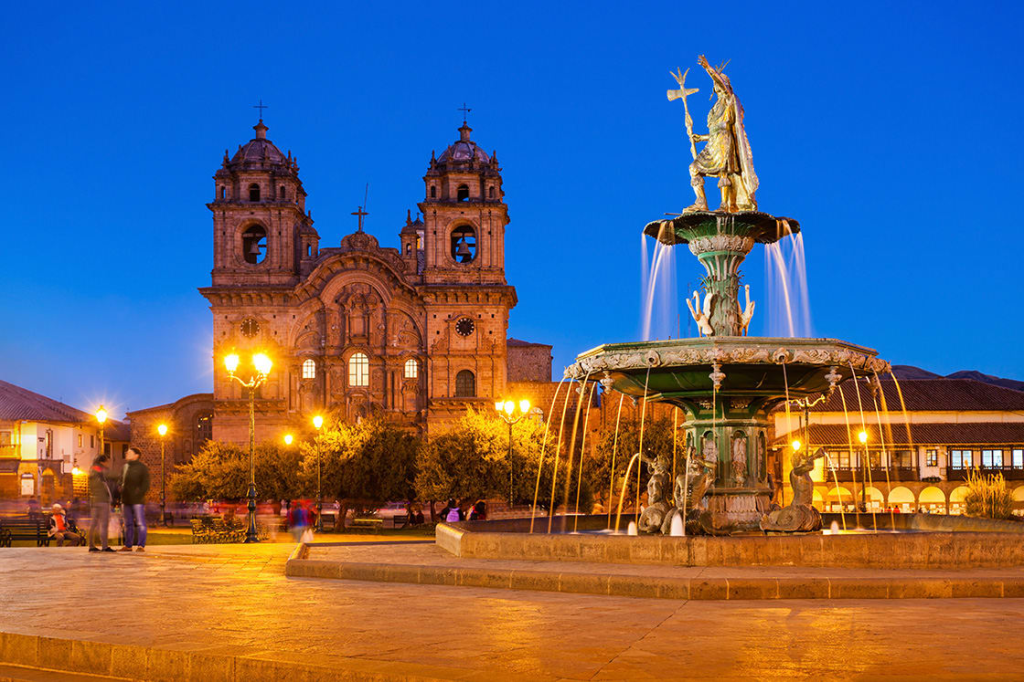
Cusco Main Center has beautifully kept gardens, complete with well-manicured lawns and colorful flowers, located right in the middle of Cusco. A statue commemorating the venerable Inca King Pachacuti, a representation of the city’s rich cultural heritage, is positioned directly in the middle.
In addition, there’s a water fountain around the grounds, where visitors often toss money as a tradition connected to wishes and prayers. As part of a centuries-old custom, you throw a penny into the water, offer a heartfelt wish, and hope it comes true!
9. Get a photo with the locals in their traditional attire
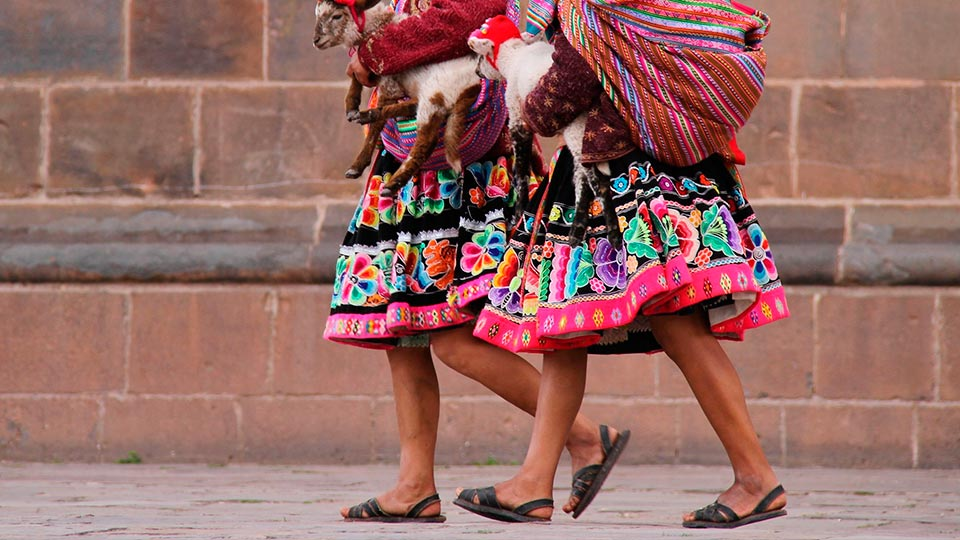
When it comes to clothing, residents in Cusco never fail to impress! It’s not simply the colonial architecture, historic ruins, and imposing churches that captivate your attention as you meander through Cusco’s narrow lanes. Wanna know why? It’s because the exquisite and incredibly alluring attire of the natives is guaranteed to draw notice and turn heads!
Locals that live in Cusco’s streets sit on the sidewalks in vibrant clothing, frequently clutching an alpaca for a picture op. For the ladies, they typically dress in scarfs, coats, and skirts with vibrant embroidery. Also, they constantly attempt to mix traditional clothing with more contemporary styles. For men, they dress in a variety of traditional clothes and accessories such as ear flap hats called chullos and belts called chumpis. Even if the traditions surrounding traditional men’s attire have become far less relevant and embraced over time. Usually, elders uphold their cultural practices. Although it’s not necessary, dressing like a local and embracing this piece of their culture may boost your morale with their colors and be quite fun!
10. Try A Free Walking Tour Around Cusco
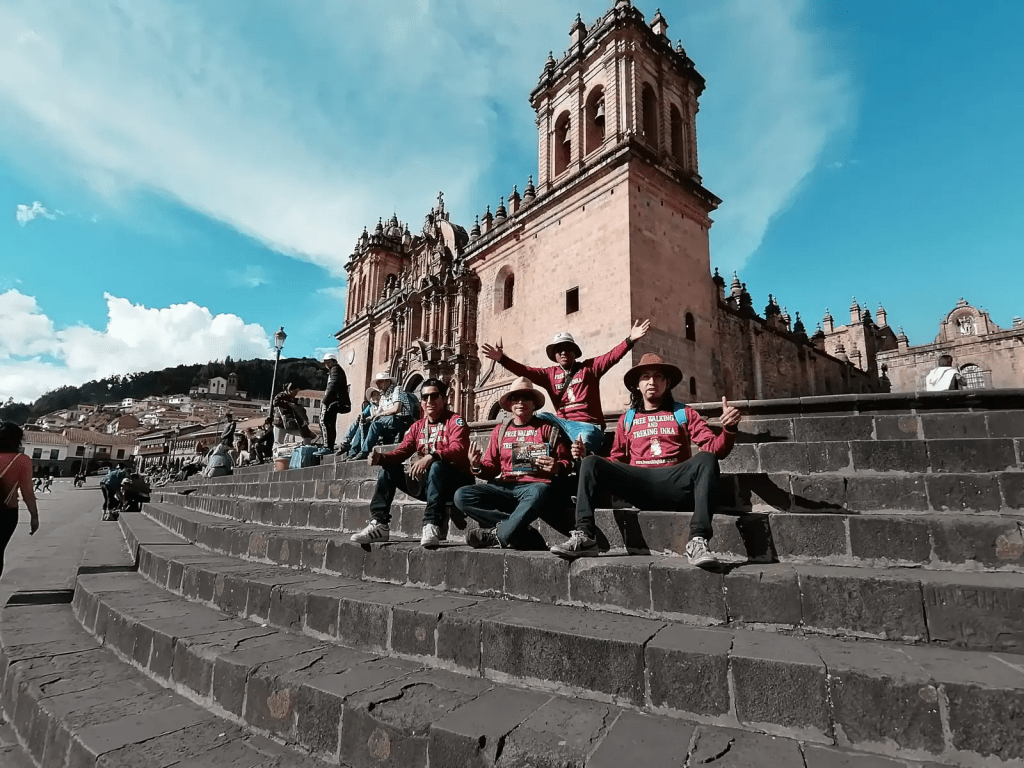
This is the ultimate sign for you to try to schedule a complimentary walking tour while visiting Cusco. Solo and group travel are offered separately by certain booking agencies. A 2-hour and 30-minute stroll is often required for several of Cusco’s free walking excursions. The authorized tour guides are enthusiastic about history and the local way of life. They will explain to you all the theories surrounding Inca Culture and its effect on modern Andean cosmology. Trying a free walking tour is undoubtedly one of the fun things to do in Cusco, Peru. Give it a try!
11. See the Twelve Angled Stone And Other Sacred Sites In And Near Cusco
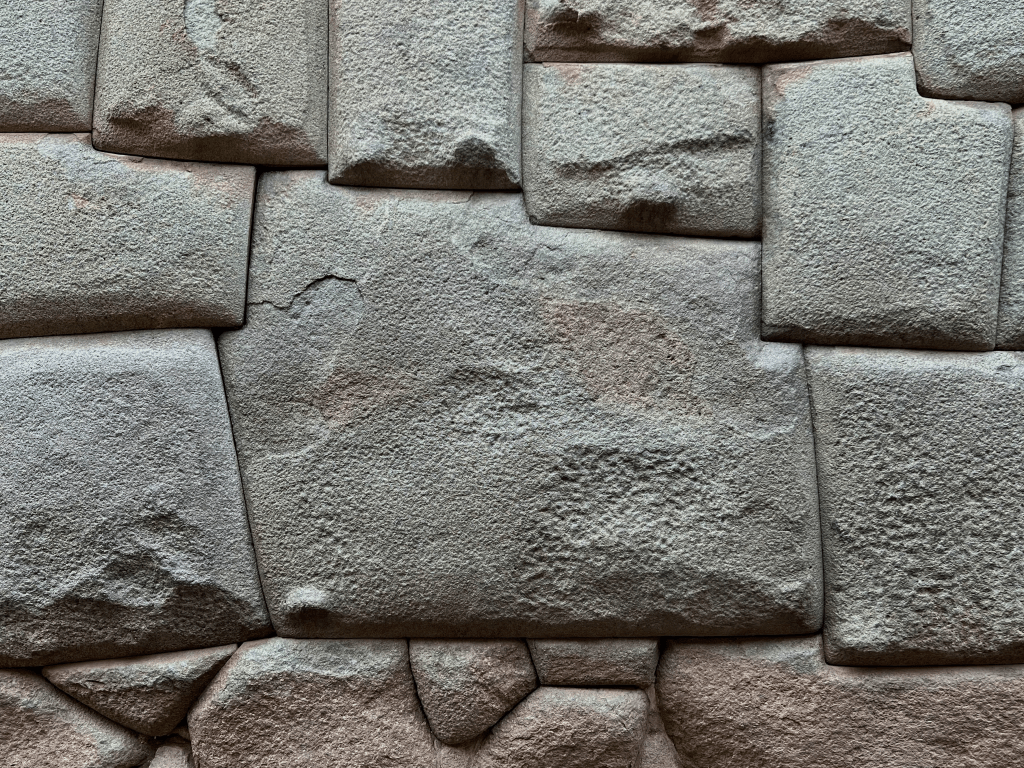
Tucked down inside the historic district’s winding stones and allies lies the Twelve-Angled stone. This enigma of architecture features twelve skillfully designed angles that blend in harmony with the Inca wall in the Hatunrumiyoc alleyway. The Incas’ excellence was reflected in the carving and polishing work done in twelve angles. The wall possesses the trapezoidal form and modest slope, displaying the infamous and beloved animals (condor, snakes, and puma), to the Incans.
Forming a portion of the wall of the Archbishop’s Palace, the stone is somewhat massive. The significant crowd that generally envelops the location can help you identify it. There is no fee to enter this masterpiece located in Cusco’s historic core. Every day of the week, seven days a week, it is “open” for viewing for free. It’s two blocks away from the Plaza de Armas on a small pedestrian-only street named Calle Hatunrumiyoc, and nearby the Chocomuseo too! It’s forbidden to touch it, so please don’t do so, however you are welcome to take family portraits or selfies beside it.
Address: C. Hatunrumiyoc 480, Cusco 08002, Peru
12. Explore The Vibrant San Pedro Market
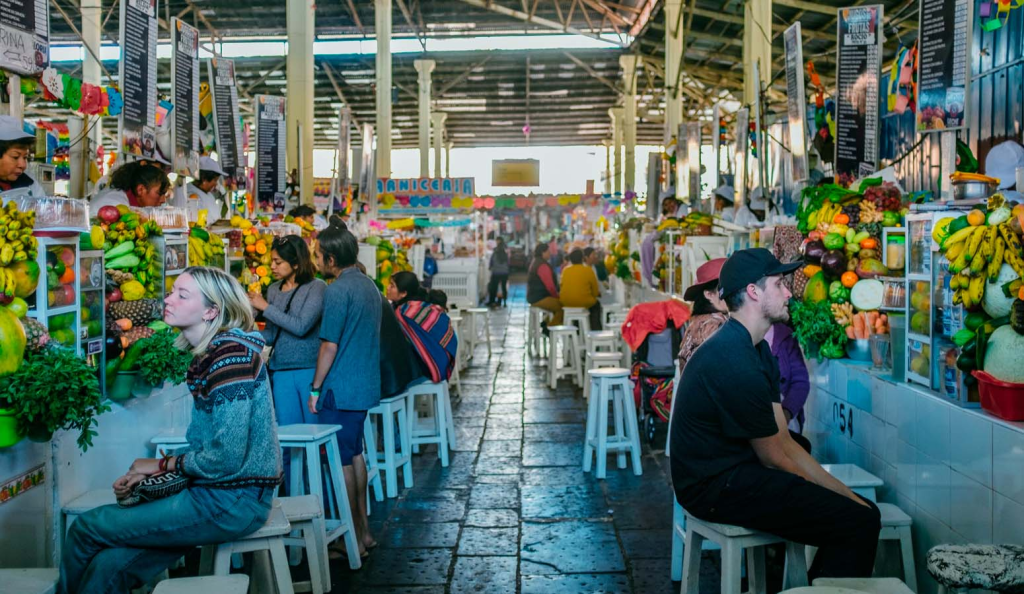
Explore, savor, and taste your way around the massive San Pedro Market. Locals frequently post up displays at this marketplace to sell fruits, vegetables, beans, salts, nuts, souvenirs, and a plethora of other items. Prepare yourself for a sensory extravaganza when visiting Cusco’s San Pedro Market! Both residents and visitors gather at this lively market to take in the sights, sounds, and tastes of Peruvian culture. It’s indeed a center of activity!
Enjoy the chance to try out unusual fruits like lucuma, granadilla, and chirimoya, as well as authentic Peruvian treats like tamales and empanadas that are offered by street sellers inside the market. Learn about traditional Peruvian ingredients, culinary methods, and cultural customs by interacting with neighborhood sellers and craftsmen. A lot of vendors are delighted to tell interested guests about their experiences and expertise. Additionally, you may get meals for the day for a few soles. There is a soup to start, a main course, and a drink to go with it on this menu. A Peruvian meal with rice and either chicken or red meat is offered on the menu.
13. Walk Through The Cathedral of Cusco
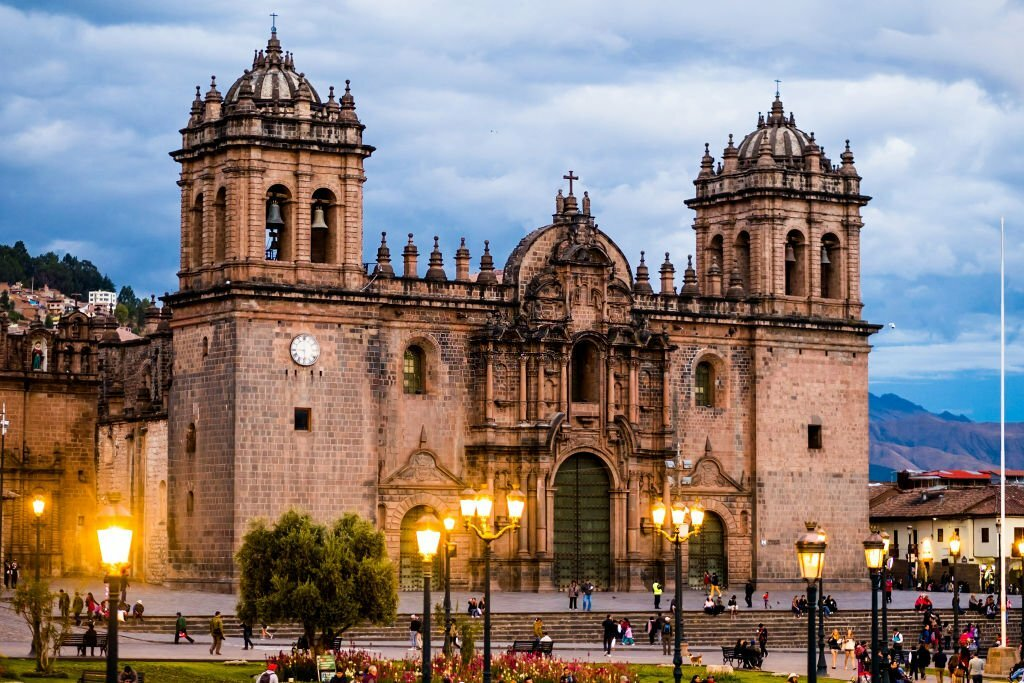
Without a doubt, one of the most well-known holy buildings in Cusco’s Historic Center is the Cathedral. The construction took more than a century and hundreds of indigenous workers to finish, and it was put together atop Suntur Wasi’s Inca palace. It seamlessly blends the regional Baroque design with Gothic and Renaissance traditions. The cathedral’s enormous carved doors are a major representation of both styles, and its magnificent interior is enhanced with exquisite altars.
The Cusco Cathedral is shaped like a large rectangle with three interior sections known as naves. One is in the center, one is on the right, and one is on the left. Every component has doors on the outside that match. There are fourteen large pillars within that support the roof. Every bishop who has served as the Cusco church’s leader is depicted in photographs. One unique item within is an image of a dejected Jesus. There’s also a designated storage area for priceless silver items. This has an ornate 1733 cover as well as unique items such as metal sculptures of Jesus and Mary.
Address: Av Tullumayo 121, Cusco 08000, Peru
Getting Around Cusco
Since Cusco is a tiny city, walking is a convenient way to get about. However, there are several choices accessible if you want to get around a bit more quickly.
By foot: The most popular way of getting around is by walking. Walking is a great way to get around the historic center of Cusco. You can stroll from one side of the historic center to the other within 15 to 20 minutes. Cusco’s best restaurants, nightclubs, and sights are primarily located concentrated around the Plaza de Armas. Most of the area surrounding the main plaza is level, but as you move toward the communities of San Blas, San Cristobal, or Santa Ana, the streets start to slope sharply and are filled with hills.
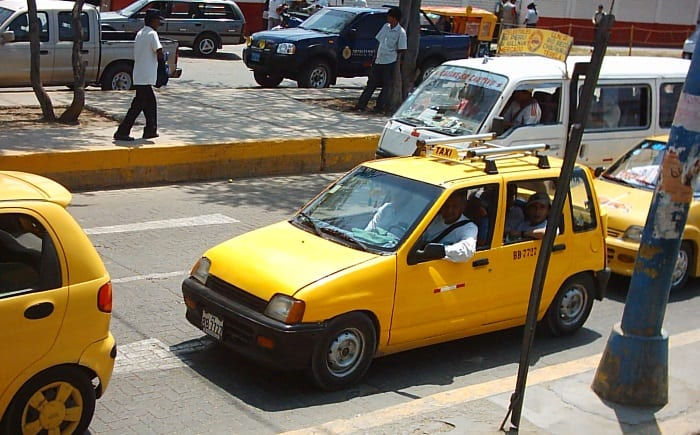
By taxi: Cusco has an abundance of taxisand are a good method to get around, especially at night, and are reasonably priced (S/3–S/5 in the historical district by day, S/5–S/8 at night). Since there are no meters in these cabs, we advise haggling or negotiating over the fare before getting in. A cab inside Cusco’s downtown should not cost more than 5 soles, while a taxi from the airport to the city center should cost around 20 soles. Also, you could wish to ask your hotel to book a cab for you since they can frequently arrange for guest taxi transfers. It’s crucial to use caution while boarding a cab, and you should never get into an unmarked vehicle for security reasons.
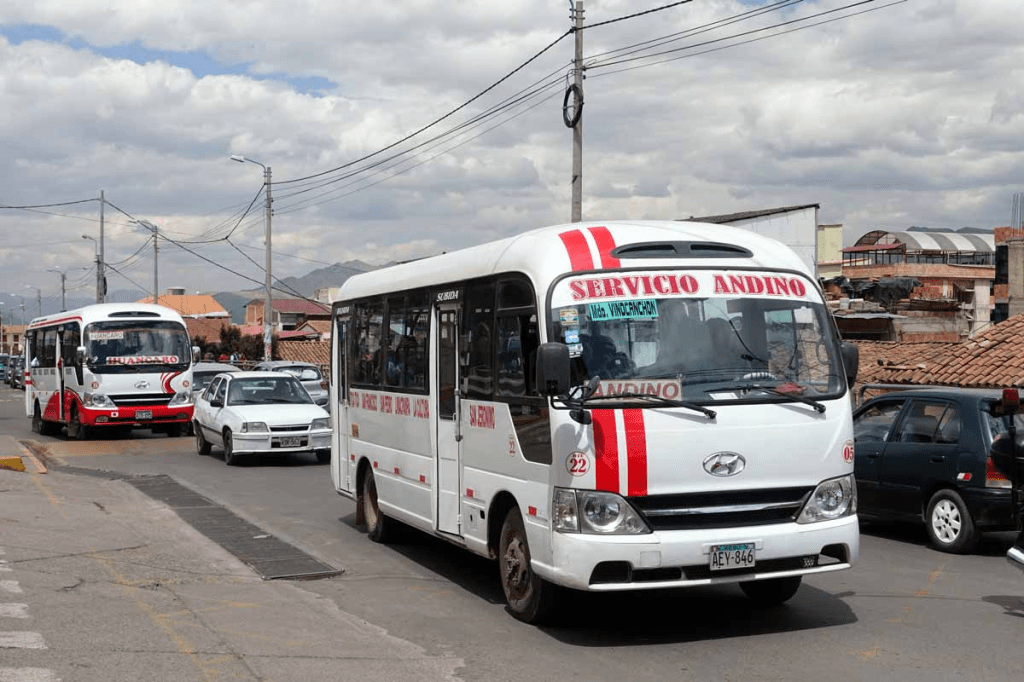
By bus: The majority of buses are overnight, and some of them have broad, folding seats that may be rather pleasant depending on the quality.
While combis are compact mini buses or vans that also follow defined routes but are typically more congested and have predetermined stops, colectivos are shared taxis or minivans that follow fixed routes and provide flexible stops. Both provide practical and reasonably priced ways to navigate about Peruvian cities and villages.
For quick excursions, take one of the colectivos or combis that go along the major access routes, such as Av de la Cultura, Av 28 de Julio, and Av El Sol. Buses to Terminal Terrestre, near the airport, depart from Plaza de Armas and travel eastward. The terminal owned by Cruz del Sur bus company is situated right south of Ovalo de Pachacutec Park. The terminals serve neighboring Peruvian villages and cities such Lima, Puno, and Pisco.
Packing For Dry Season (May to October):
Cusco welcomes bright days and colder evenings throughout the dry season. So, make sure your packing list includes the necessities for your comfort and safety.
- Bring breezy long sleeve shirts to protect oneself from the intense sun and maybe cool nights.
- Sunscreen and UV hoodie to protect your skin against UV radiation. Even on cloudy days when UV rays can penetrate clouds, using high-SPF sunscreen helps prevent sunburn and shields your skin from UV radiation, lowering your risk of skin damage and skin cancer.
- A reliable water bottle to help you stay hydrated.
- Insect repellents to keep away pests. This is a preventative step that enhances your travel safety, health, and general well-being, particularly in Cusco where insect-borne illnesses are common.
- Invest in a roomy day pack or backpack to carry all your necessities and layers.
- When engaging in outdoor activities, it’s important to bring a wide-brimmed hat or cap that protects your face from the intense sun, minimizing sunburn and lowering your risk of heat-related diseases.
- Bring UV-protected sunglasses. These shield your eyes from damaging UV radiation, reducing the risk of eye strain and discomfort from extended exposure to intense sunshine.
- SPF-containing lip balm keeps lips hydrated and shields them from the sun’s rays, reducing chapping under arid or sunny circumstances.
- Bring wet wipes and hand sanitizer. These are examples of personal hygiene products that improve comfort and hygiene by keeping surfaces clean and halting the transmission of germs, particularly in places with limited access to soap and water.
- Make sure to pack some energy-boosting snacks to ensure you stay fuelled and focused throughout outdoor activities by providing rapid nourishment for sustained energy during day excursions and treks, enhancing endurance and reducing weariness.
- Have a small umbrella or lightweight rain jacket with you to increase your chances of being dry and comfortable during sudden downpours. This way, you may continue enjoying the outdoors in any weather, which improves your trip experience in general. It also helps keep your valuables dry and safe throughout your travels by preventing items like documents or gadgets from becoming wet. All things considered, a travel umbrella is a useful addition to any bag that will enhance your travels and offer ease, comfort, and variety.
Packing For Wet Season (November to April):
Cusco sees regular rains and chilly weather as the rainy season approaches. Travel list essential tips to consider.
- To keep your feet toasty and dry throughout the day, don’t forget to bring additional pairs of socks with you.
- Fast-drying, compact trousers are also necessary for convenience and adaptability.
- Purchase some waterproof footwear such as boots to protect and keep your feet dry on slick areas.
- Carry with you an antifungal powder or spray for your feet to use on a regular basis, particularly before wearing socks and shoes. This works to stop fungal infections by making the environment unsuitable for the growth of fungus.
- Shoes should be rotated between various pairs to allow each pair to completely dry out in between uses. This will minimize moisture buildup and the chance of fungus growing.
- Bring a foot care kit. The kit should include nail clippers, a pumice stone, and antifungal lotion in your foot care kit. To avoid fungal infections, periodically clip your toenails and keep your feet dry and clean.
- To keep your possessions dry during outdoor activities or when traveling in inclement weather, use a waterproof bag or dry sack.
What To Know About Cusco’s Altitude
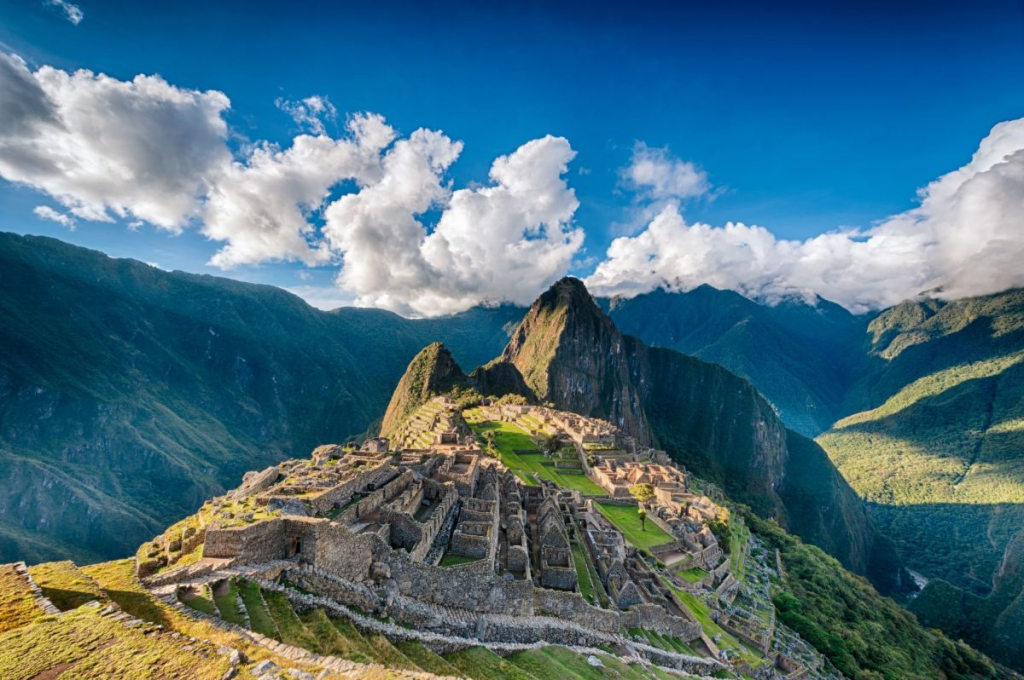
At 3400 meters above sea level, Cusco is home to a fortunate minority of visitors who feel perfectly good. However, it’s possible for you to experience difficulties, such as headaches, dizziness, or dyspnea, which last for a day or two until their systems acclimate to the thinner air. Which is why it’s important for you to know about Cusco’s altitude to ensure safety and achieve a more enjoyable trip.
Some of the symptoms of altitude sickness include drowsiness, decreased appetite, drowsiness, weakness of breath, and nausea. Since most day trips from Cusco take place high in the mountains, it’s wise to adequately get used to the city before embarking on your next thrilling experiences. Those who have never lived at such high levels should plan to take the first day or two to adjust and leisurely explore everything Cusco has to offer. Especially since the severity of the symptoms varies from person to person.
It’s possible that you will feel lightheaded for a day or two before getting adjusted; whether you’re flying into Cusco, coming from the lowlands, or even staying by the sea. to the altitude if Cusco is the first city you visit in Peru, if you are traveling there from the lowland areas, or even if you stayed a week or more by the sea
I would be helpful to note, if you’re feeling any lingering symptoms; the term “Soroche,” which is more often used in Peru to refer to altitude sickness, for those around you. As well as pharmacy or “Botica”, if you need to ask or communicate with the locals for assistance on where to get medicine.
Coco Tea And Air Cans For Altitude Sickness
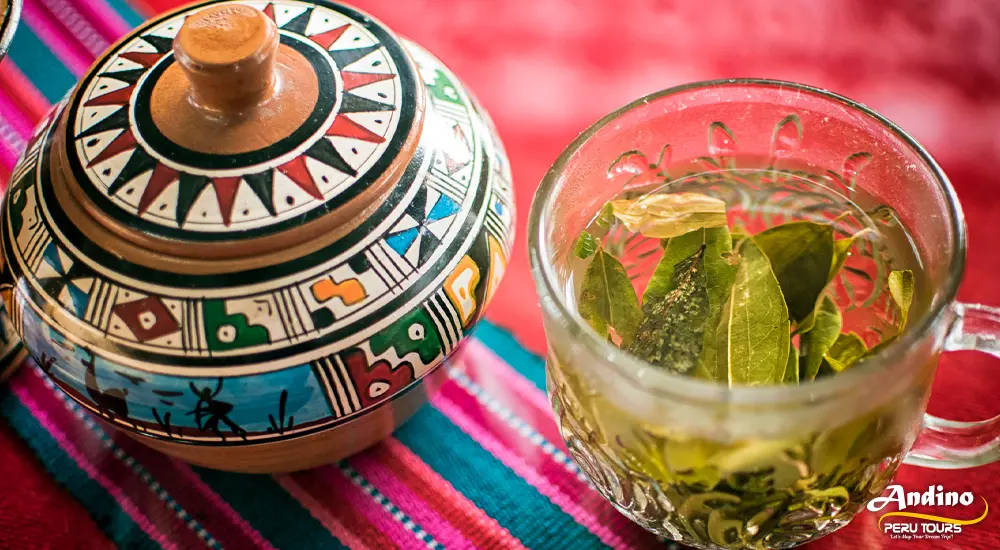
Coca-tea: The leaves of the coca plant are used to make this popular beverage, which is especially popular in high-altitude areas like the Andes Mountains. Alkaloids found in the leaves, like cocaine and its derivatives, have moderate stimulant qualities and can help elevate heart rate and enhance blood flow. This might help reduce altitude sickness symptoms like nausea, exhaustion, and headaches. But it’s crucial to remember that because of its stimulating qualities and possible legal limitations in some nations, coca tea should only be drunk in moderation.
Air cans: In order to raise blood oxygen levels, compressed oxygen can be breathed from a portable oxygen can. At high altitudes, when oxygen concentrations are lower, breathing in more oxygen can help reduce altitude sickness symptoms including exhaustion, lightheadedness, and dyspnea. People who are traveling to high-altitude locations frequently bring portable oxygen cans as a safety precaution or as a cure in case they experience symptoms of altitude sickness.
Best Times Of Year To Visit
In July and August, Cusco has a spike in visitors from all across the Northern Hemisphere, so if you’re not a fan of crowds, steer clear of these months. It’s also the priciest time of year to travel. But if you love the sun, don’t mind higher prices, and like seeing bustling cities, then this is a perfect time for you.
Cusco’s wet season, which runs from October to March, is erratic at best. Still, it can be the best time to go if you don’t mind the rain because there are a lot less people and the rates are significantly lower! All you will need to do is pack for the changes,, regularly check the weather reports, and also note that certain parts of the day may not show some mountains or views as clearly.
Special Holidays:
- Carnival (February/March): Depending on the lunar calendar, carnival celebrations occur in various parts of Peru in February or March. Even while Cusco’s celebrations aren’t as big as those in other places, tourists may still take part in water battles and street parades.
- Christmas and New Year: With lively marketplaces, musical performances, and religious processions, Cusco’s main square and its environs are exquisitely decked for the festive seasons.
- Holy Week, or Semana Santa: In the days leading up to Easter Sunday, religious processions, reenactments, and customary events are held to commemorate Semana Santa.
- June 24: Inti Raymi Festival: Also known as the Festival of the Sun, this important Inca holiday falls on June 24. During this period, Sacsayhuamán reenacts ancient Inca rites, colorful parades, and traditional music and dance performances for visitors to enjoy.
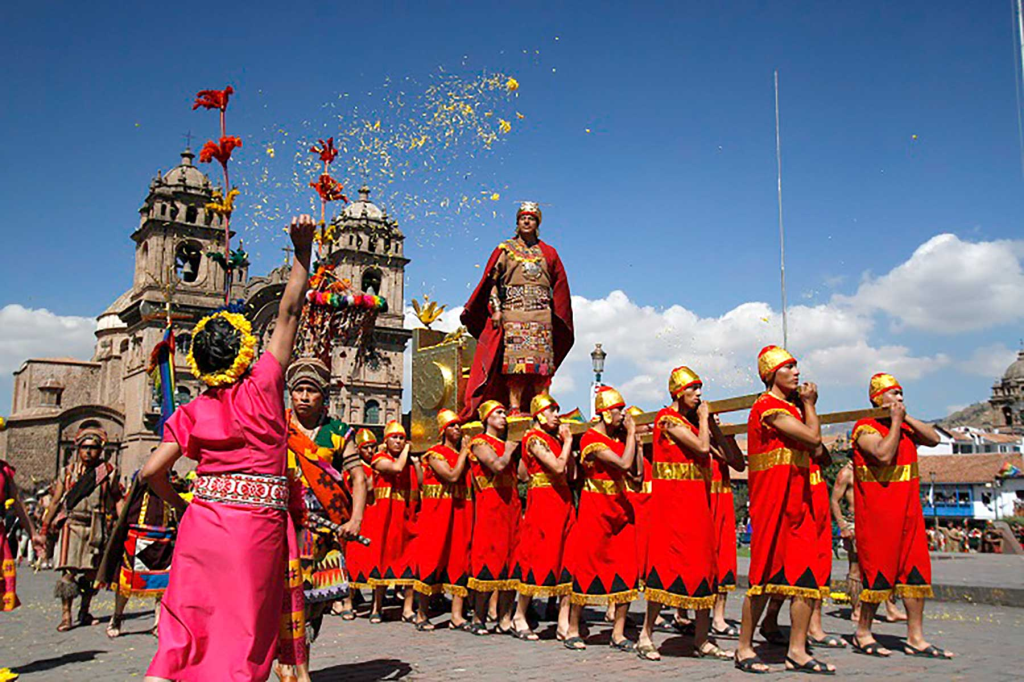
Cusco’s unique heritage and tradition will capture your attention, regardless of when you choose to visit. This energetic city offers something for all people, all times of the year!
Cusco Voyage: A Unique Experience
Enjoy Cusco’s natural beauty, learn about its rich past, and see its historic ruins—all while being prepared for any unexpected weather. As you begin your amazing journey through Cusco’s treasures, I wish you a pleasant journey and life-changing experiences. I really hope that I was a huge assistance to you in having an amazing trip to Cusco!

 Travel Articles
Leave a comment