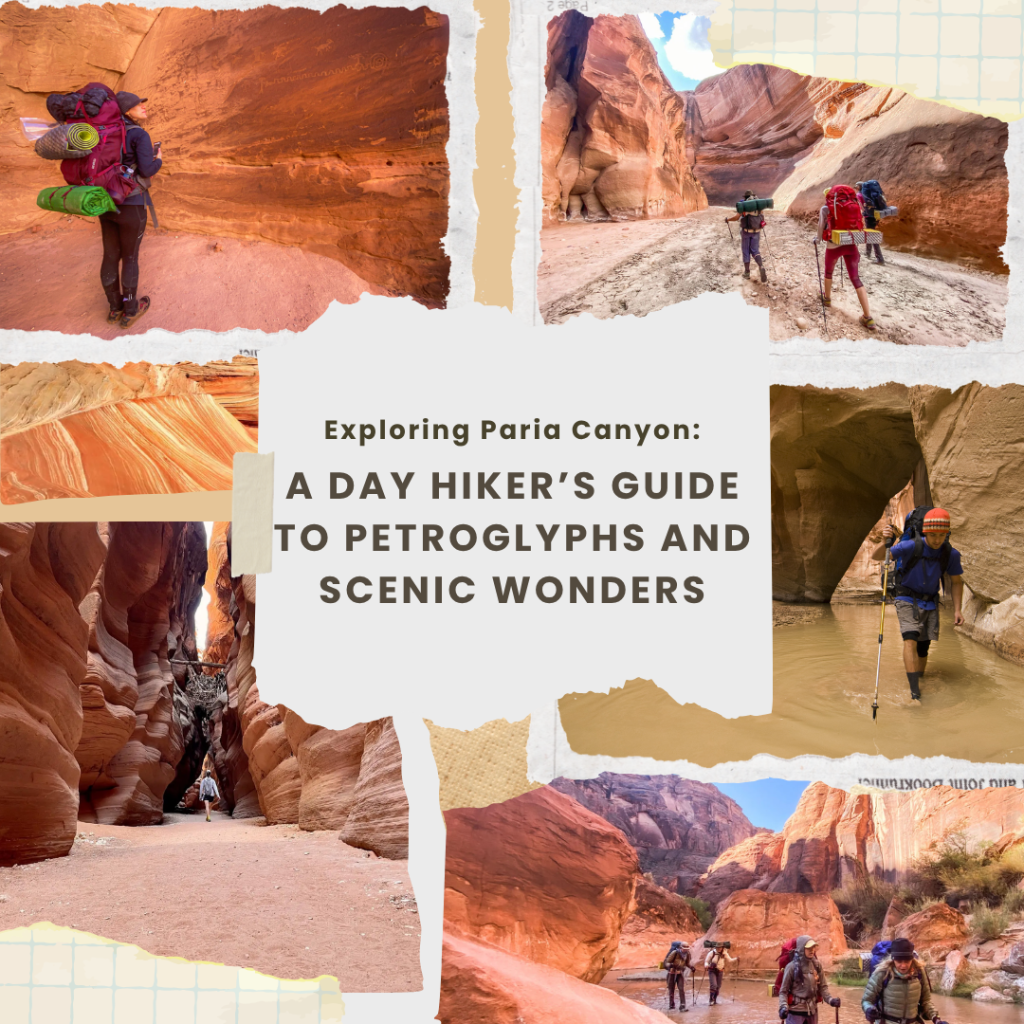
Paria Canyon day hike promises an unforgettable experience immersed in nature’s wonders. Read on for a comprehensive travel guide!
Is the Paria Canyon-Vermilion Cliffs Wilderness Area familiar to you? Tucked away between Southern Utah and Northern Arizona, this undiscovered treasure is ripe for discovery. Within lies the mysterious Paria Canyon, which traces the path of the Paria River from the White House Trailhead to Lee’s Ferry. About 38 miles of breathtaking sandstone cliffs, river crossings, and complete isolation may be found there. I promise you, it’s difficult but well worth it.
It feels like you’re walking straight into the bowels of Earth as you make your way south through the Paria Canyon, separating Utah from Arizona. This place has incredible geology, with layers upon layers of rock that reveal historical tales. In fact, “Paria” means “frothy water” in the Paiute language, spoken by the indigenous people who have been utilizing this canyon as a route for many years.
The footprints of those who came long before us are traced by day hikers today as they meander through this unspoiled wilderness, leaving evidence of their presence engraved into the breathtaking red cliffs. It’s a voyage that forges connections between you and history as well as nature.
Paria Canyon Topography and Landscape
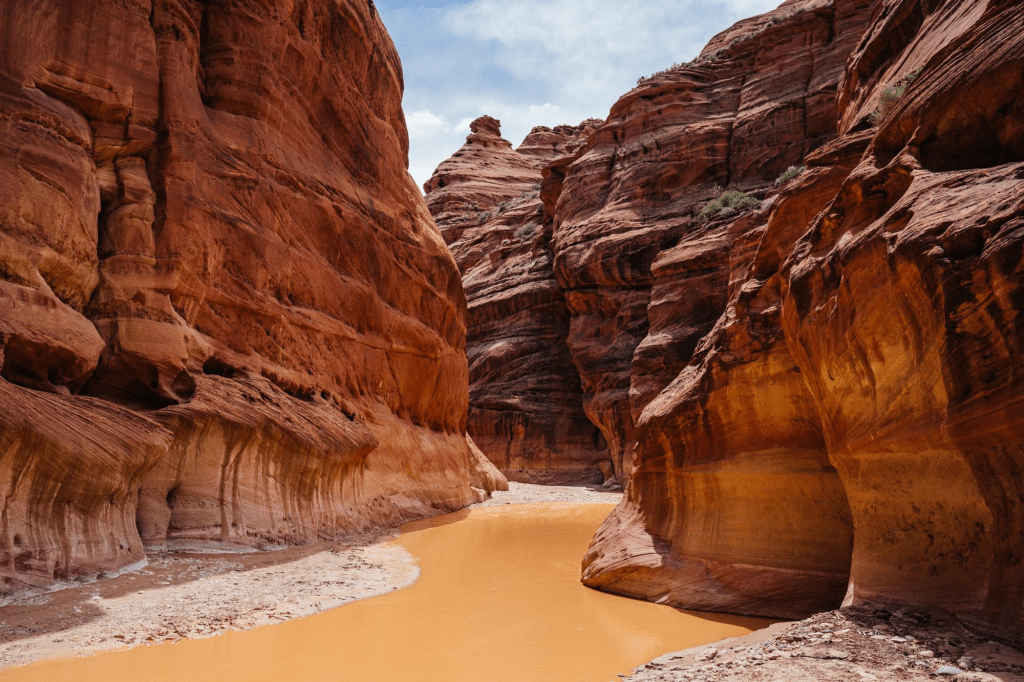
Paria Canyon’s terrain, with its varied and breathtaking topography, is a work of art created by nature. The Paria River canyon sculpted the canyon over millions of years, leaving behind expansive stretches of desert, complex slot canyons, and tall sandstone cliffs. With layers of vibrant sedimentary rock adorning its walls, it provides an enthralling look into Earth’s geological past, revealing ancient deposits that date back millions of years.
Hikers who follow the canyon’s meandering trails come across a dramatic landscape that opens up into wide, sun-filled plateaus from small, winding narrows. New discoveries are revealed around every corner, including beautiful springs, lush greenery flourishing in the middle of the desert, and secret alcoves and natural arches. Adventurers go great distances to experience Paria Canyon’s fascinating splendor, which is a tribute to the force of erosion and the beauty of the natural world.
Paria Canyon Petroglyphs Panels
In addition to the topography and weathered landscape, Paria Canyon is home to prehistoric Paiute petroglyphs and traces of Mormon immigrants who attempted to establish a settlement here but eventually fled. These historical artifacts are a moving reminder that Paria Canyon was once an essential part of the lives of those who lived there, not just a place to go for those who love the great outdoors and adventure.
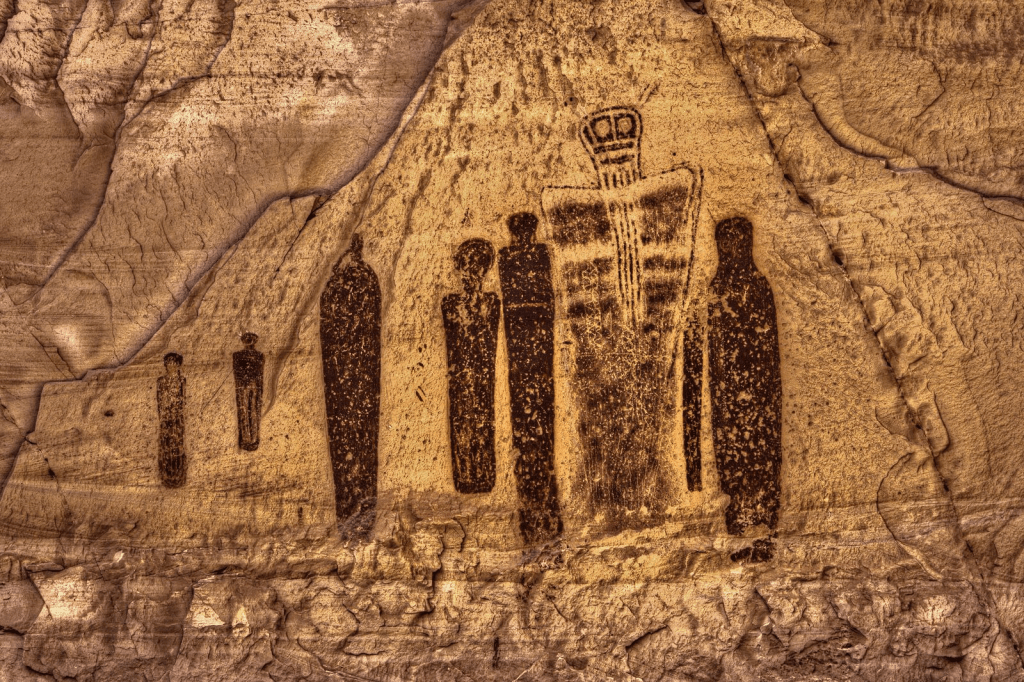
For the Paiute, Navajo, and other indigenous groups who used to live here, these petroglyphs are super important. They weren’t just for decoration – they served all sorts of purposes, from telling stories to marking boundaries and even communicating with other tribes. It’s like a window into the past, showing us how these people lived and what they believed in.
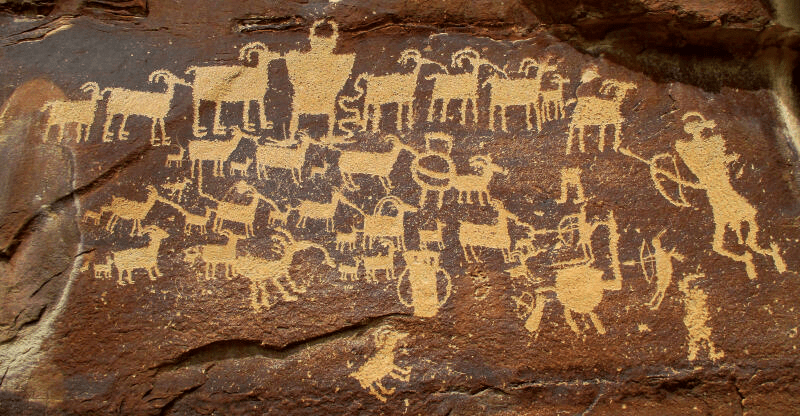
These petroglyphs are fragile and easily broken, but they have been kept very well. To ensure their safety, local communities, the government, and conservation organizations collaborate. They require care, just like priceless jewels.
The precise significance of all these signs remain a mystery to experts and historians alike. Through in-depth analysis, they hope to get further insight into the ancient cultures that gave rise to them. It’s fascinating because it illuminates issues such as the social life and patterns of population migration of the era.
Judd Hollow Area: A Marvel Of Paria Canyon
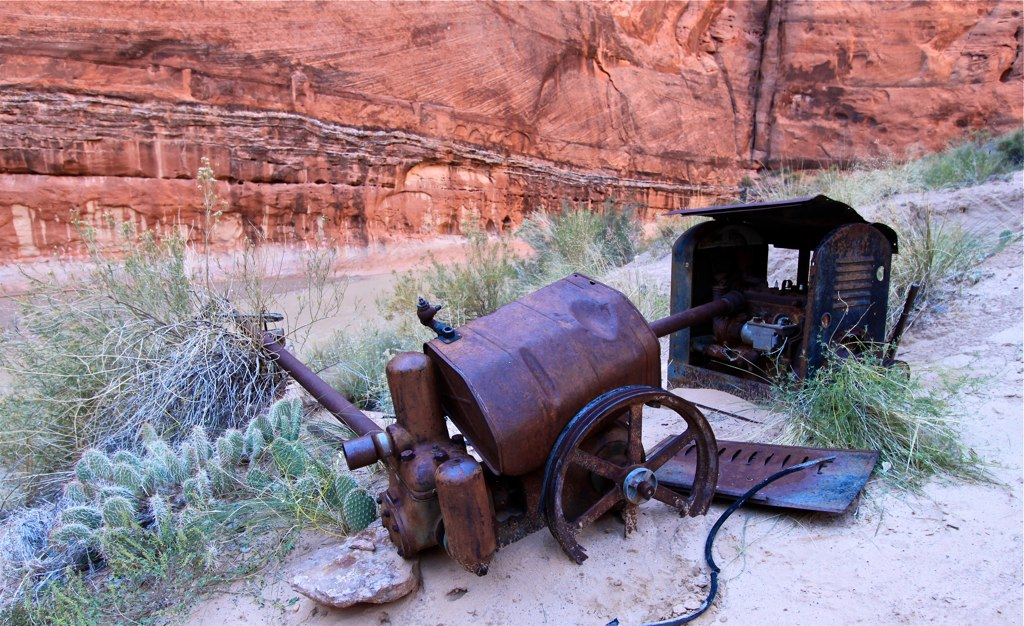
This area is home to vast vistas and luxuriant greenery that is fed by organic springs. Fall visitors may notice a dramatic shift in scenery as the leaves begin to turn colors. Traveling farther reveals changing topography as the Paria River narrows and the 190 million-year-old Navajo sandstone gives way to older rock strata.
Because of the changes in the water level, your feet will probably be wet the entire way. In amongst the scenery are historical relics and other artifacts from the past, including a rustic pump from the 1930s. You’ll explore the canyon walls of the Paria River in search of prehistoric artifacts, like as petroglyph panels, while following the steps taken by Mormon Pioneers. Even though the Paria is replete with evidence of Native American occupation, it can be difficult to locate these panels without a clear understanding of their significance.
The petroglyph panels at Paria Canyon are not surrounded by fences or other obstacles, in contrast to those found in other easily accessible parts of the country. Visitors are welcome to get up close and personal with these representations of bighorn sheep, but please do not touch them since the oils from your skin may cause harm. There are many different ways to understand the meaning of these paintings of bighorn sheep, but the essential goal is still to appreciate the rich history of Native Americans rather than to put one’s own interpretations on them.
Paria Canyon Entry And Route Options
1. Whitehouse Trailhead To The Confluence
With a moderate elevation gain/loss of roughly 180 feet, the round-trip distance is approximately 14.6 miles. It’s quite difficult, but the greatest thing is that you won’t have to deal with large crowds. Remember that water supply might vary seasonally. But believe me, this climb gives some incredible views of the canyon walls, as well as the breathtaking pastel tones of rock that have made Paria Canyon renowned.
2. White House to Wire Pass
Talk about an awesome hiking trip from White House to Wire Pass that lasts for two days and one night. It’s a 20.5-mile one-way trip with some elevation variation; you’ll descend 180 feet at first, then climb 720 feet in the other direction. It’s a rather challenging task, and what about the crowds? They are, in fact, really basic. Water is available, but it’s not very consistent, so be sure to bring it appropriately.
And here’s the thing: if you’re really ambitious, you could complete this trek in only one day! You will enter Paria Canyon at the White House Trailhead, ascend The Confluence, and then hike via Buckskin Gulch on your way out. You’re going to be in for a treat no matter which way you choose, I can assure you. Paria and Buckskin provide some quite striking landscapes.
The topography on both routes is very gentle, so you won’t feel like you’re slogging uphill or downhill all the time. This implies that you have complete freedom to choose your course of action. Remember that Buckskin is mostly shaded during the day, but Paria? Not in that way. Therefore, you may want to consider this while choosing your starting place if you dislike the sun’s glare. And if you’re heading this way, there are plenty of places to camp close to The Confluence that are ideal for an overnight stay.
3. White House To Lee Ferry
It’s a lengthy trip, traveling around 38 miles in one direction and gaining and losing 1,130 feet in height. It’s not too difficult in terms of difficulty, and you won’t have to worry about avoiding crowds because there aren’t many of them. Water is also dependable, so you’re in luck when it comes to it.
Even though you won’t be hiking into the gulch, Paria Canyon will nonetheless give you a glimpse of its many features. You will experience a diversity of landscapes throughout the journey, from the wide-open desert stretches towards the finish to the tight confines of the Paria Narrows, where the canyon squeezes down to as small as 5 feet wide. And here’s the thing: compared to the following route on our list, it is somewhat shorter and easier.
Paria Canyon Entry Permits
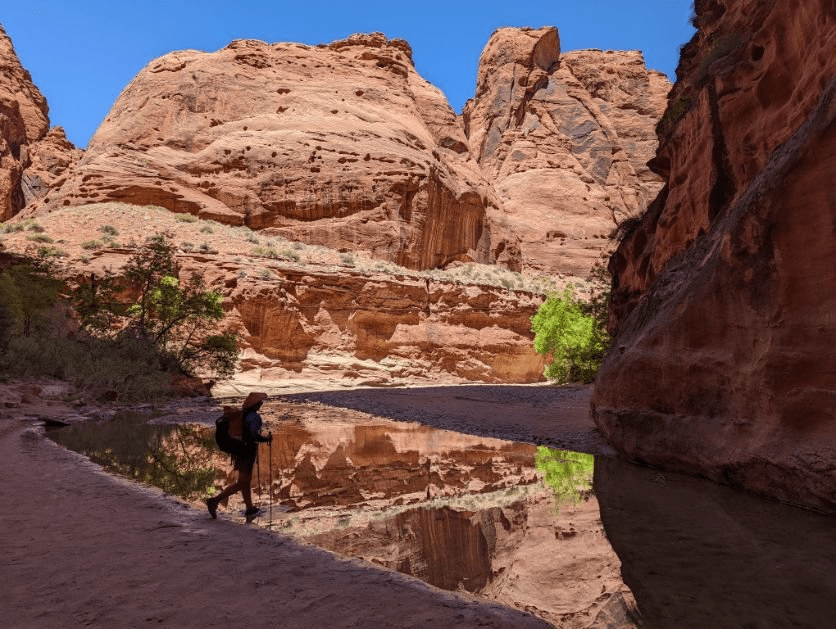
Thus, you will need to obtain a permission if you’re planning an expedition in Paria Canyon. Visit Recreation.gov to get things started. They have a very cool system where you can apply, get, and buy your permission ahead of time. And remember, you have to come in person to pick up your permission no later than ten days before the start of your trip.
Here’s some information on when to get your license. On the first of the month, at noon mountain time, bookings become available, so make sure to mark your calendars. This allows you to reserve your position up to three months in advance.
Hold on, you can’t just show up the day of or the day before your vacation and get a permission. People need to prepare beforehand! Take good notes that the number of individuals who can camp in the canyon each day is limited to 20, with a maximum of 10 persons per group. Thus, organize your team appropriately.
In terms of expenses, there are two components. The standard recreation cost is $9, and each additional day that you want to spend in the canyon is $5 per person. That’s all, now go get your permits ready, get up with your friends, and get ready for an amazing trip to Paria Canyon!
Packing Recommendations When Hiking To Paria Canyon
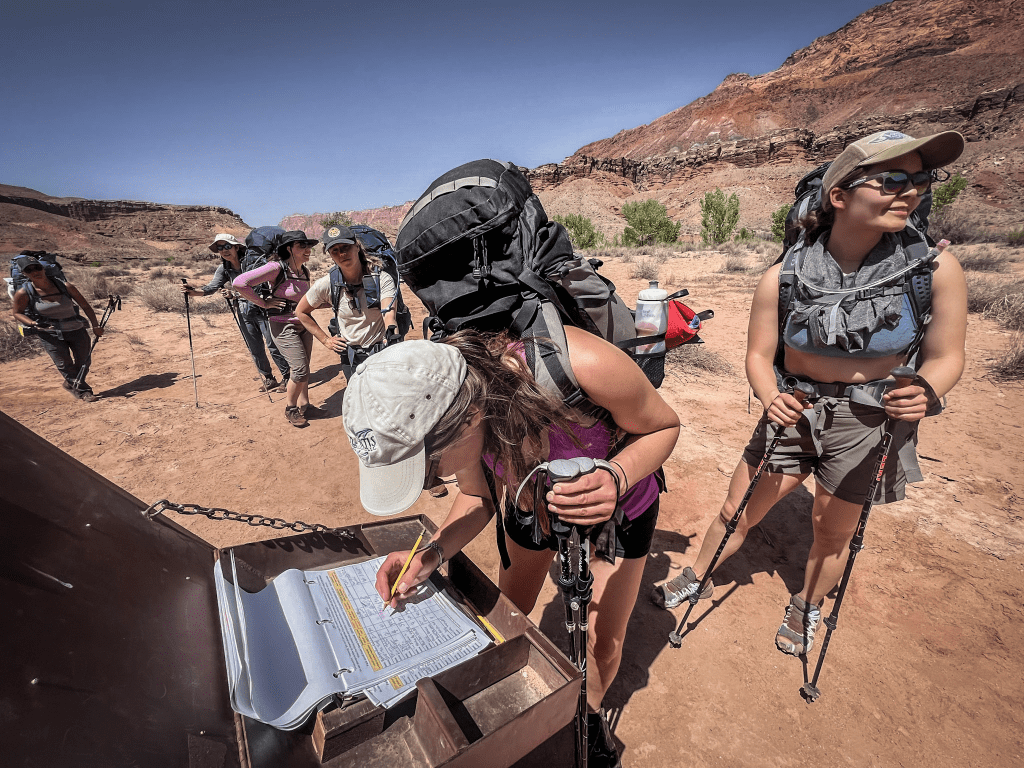
Truly, you’ll need to prepare for your Paria Canyon experience whether you’re traveling alone or with a guide. Also, when you have all these necessities packed and ready to go, you’ll be ready for whatever that Paria Canyon may throw at you! The rundown on what to bring is as follows:
Backpack
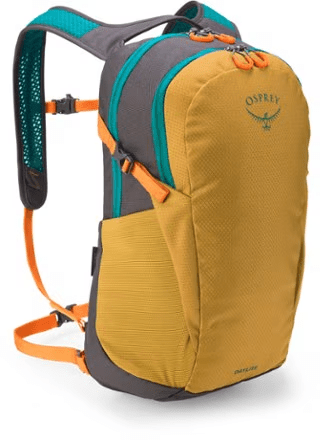
You’ll need a reliable backpack that can hold all of your belongings for a few days. Choose one that fits well, especially because you’ll be carrying 35–40 pounds of equipment.
Trekking Poles
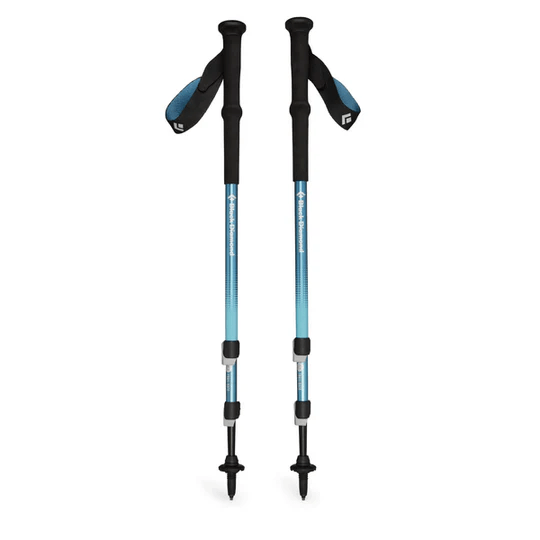
There is no discussion on them. You’ll need the additional stability they offer with all the water crossings.
Boots
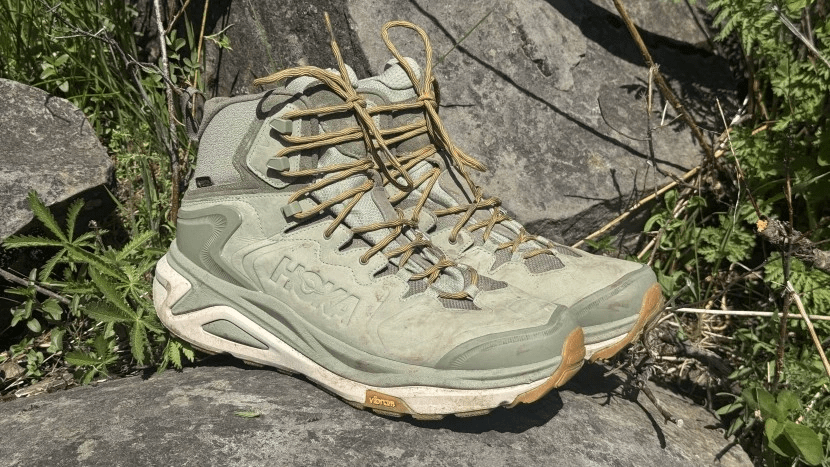
You’ll be wading through water a lot, so taking good care of your feet is essential. Since you won’t be able to alternate between wet and dry shoes, go for synthetic, lightweight shoes that dry quickly.
Hiking socks
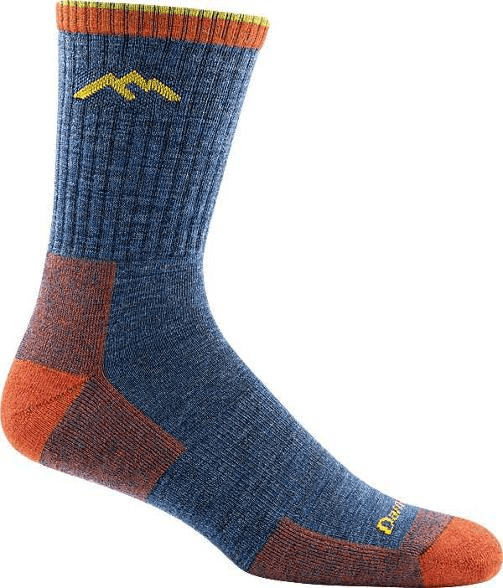
Choose hiking socks made of synthetic materials that are lightweight and resistant to moisture. For added warmth, use neoprene socks if the weather is frigid.
Tent
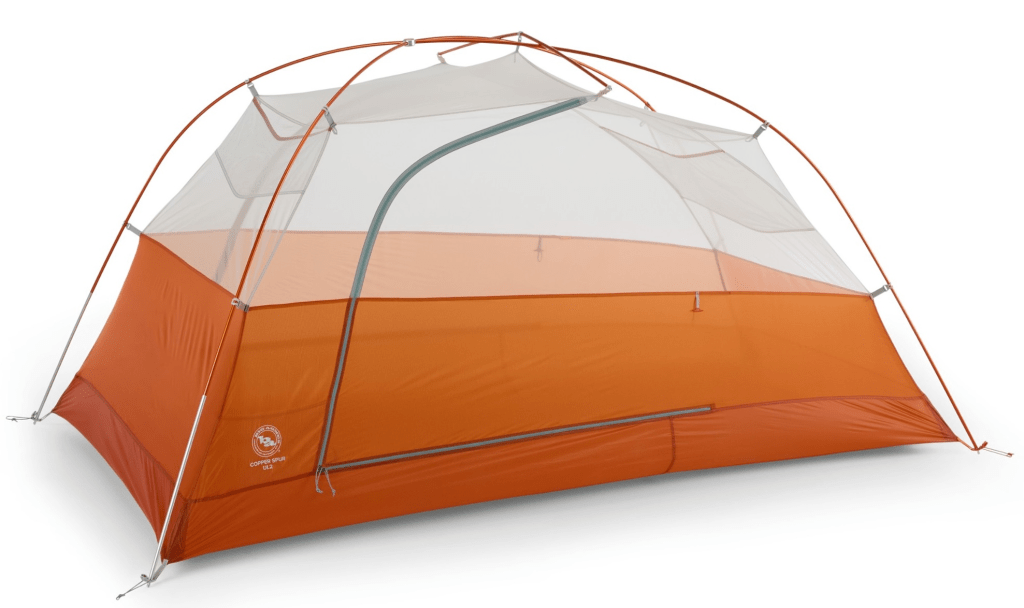
A small, one-person tent, together with a pad and sleeping bag, should work. For a genuinely unique experience, you might even forgo the tent and sleep outside beneath the stars if the weather is fine.
Water bottles
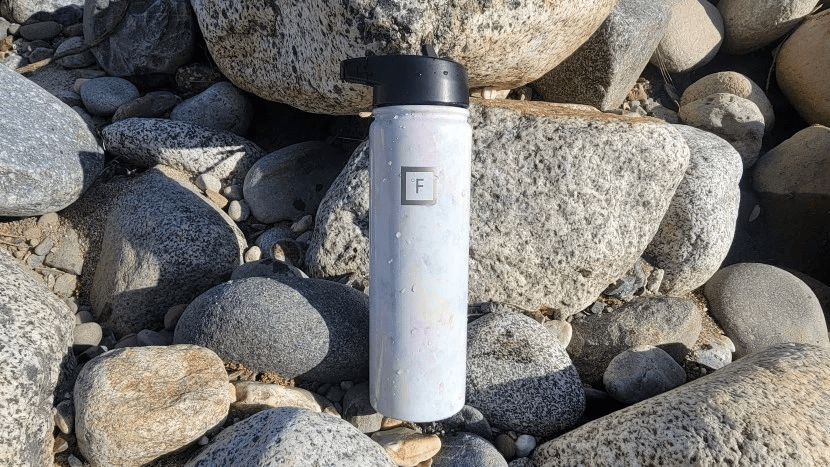
Carry a minimum of three liters with you to stay hydrated in between trips to freshwater springs for refills! Be ready since the silty Paria River might quickly clog your filter.
Water filter

Although there are natural water sources on the route, it’s important to filter or treat all drinking water to avoid contracting any waterborne infections because the quality of the water might vary. Day hikers may safely filter water from streams, springs, or the Paria River using a portable water filter, ensuring they keep hydrated without running the danger of becoming contaminated.
GPS Communicator
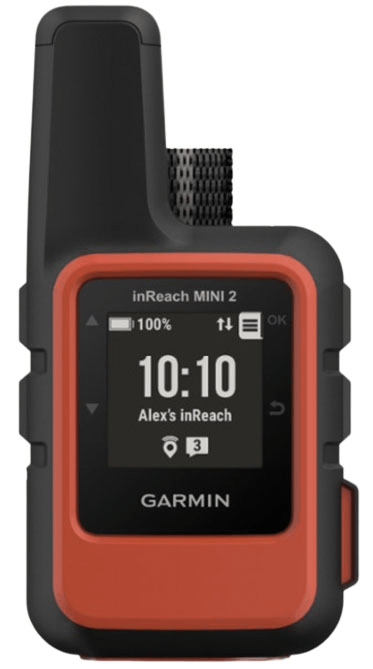
In case of an emergency, a GPS communicator is crucial as cell coverage is not available in the canyon.
Outerwear

Just in case, bring a breathable rain shell and a lightweight jacket for chilly evenings. Remember to use sunglasses and a wide-brimmed hat to protect yourself from the sun’s rays!
Headlamp

Hiking in Paria Canyon requires a headlamp because of the short days, early starts, late finishes, side canyon or cave exploration, and emergency scenarios. Sunlight may be limited in the small parts of the canyon particularly in the early morning or late evening, therefore a headlamp is essential for safe navigation.
Sleeping bags, sleeping pads, sleeping pillows
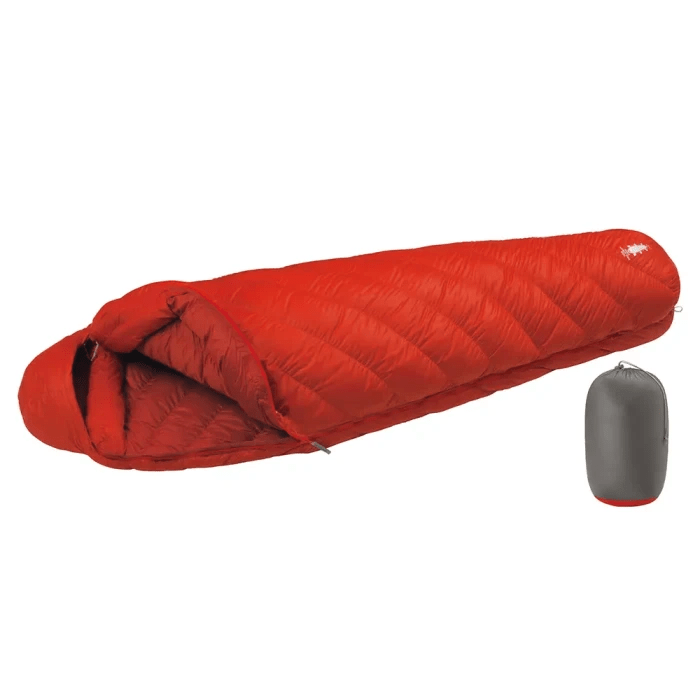
Speaking of which, let’s discuss your sleeping arrangements when traveling. These days, it all comes down to personal taste when it comes to tents, sleeping bags, pads, and pillows. This gives you alternatives! Alternatively, you may curl up with a comfortable sleeping cover and watch the stars at night. Alternatively, the classic setup with a tent, a thick sleeping mat for added comfort, a large pillow, and a cozy sleeping bag with a liner may be more to your liking. That is entirely up to you! Just make sure you have adequate insulation and shelter to be warm while hiking.
Crossing A River In Paria Canyon
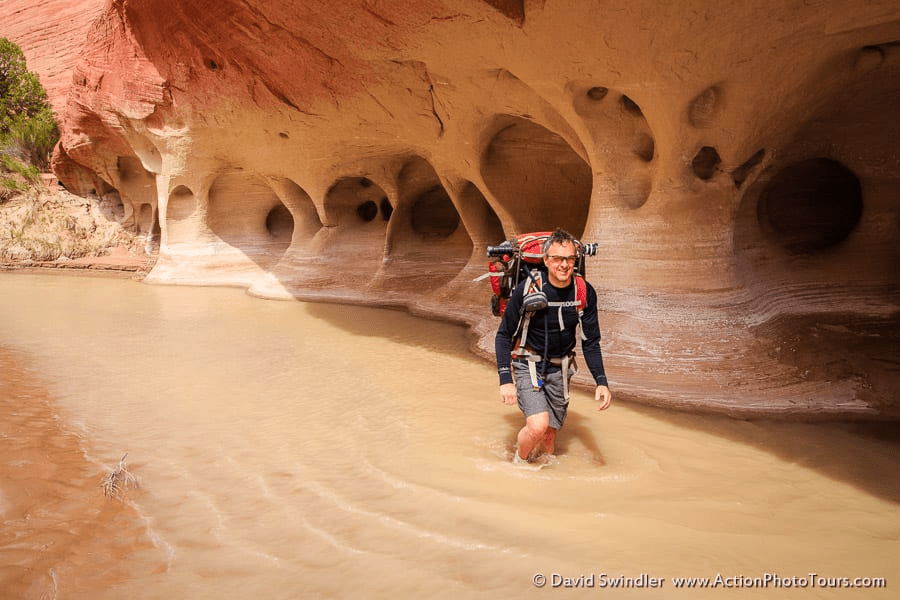
Look for areas where you can see water flowing when crossing a river; this is typically an indication that there isn’t quicksand below. Additionally, it is a good idea to target locations with rocks because these regions typically do not have quicksand. The problem is that you don’t want to spend too much time caught in the middle of a swift-moving river with a muddy or sandy bottom. You risk sinking if the water sweeps away the sand under your feet and you remain still. Thus, in order to be balanced and safe, keep moving as you cross.
Water Availability In Paria Canyon
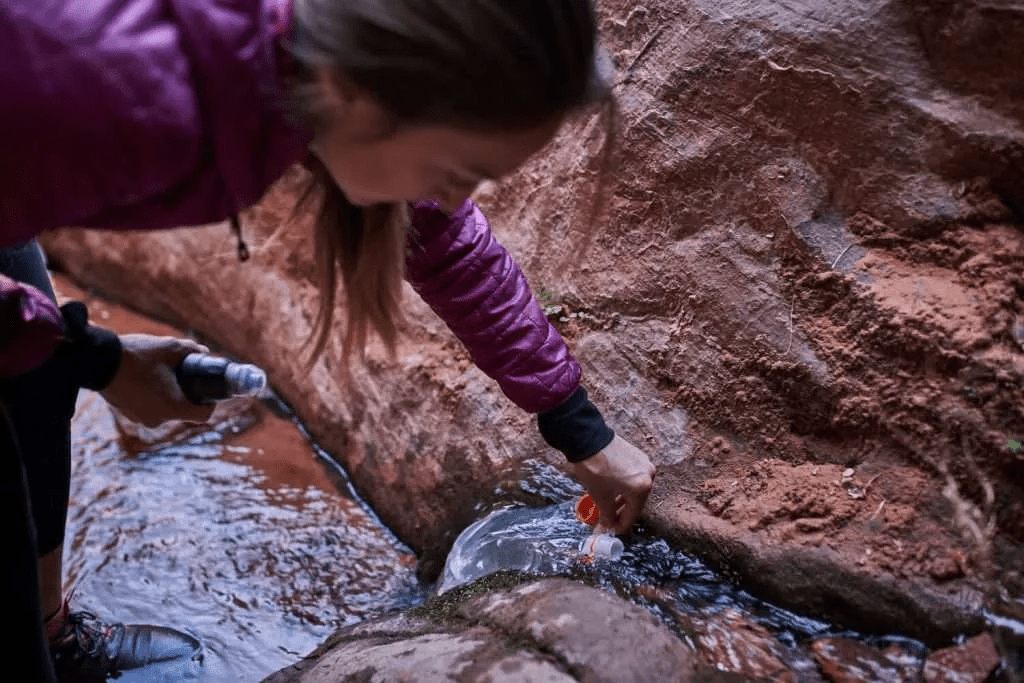
Water availability is a crucial consideration when planning a hiking trip through Paria Canyon; you may be surprised to learn how important it is! Yes, you are hiking down a river, but here’s the catch: the Paria River Canyon can get rather silty, and a lot of water filters clog up because they can’t handle all that grit. In addition, before drinking the water, filter and cleanse it to eliminate any unwanted bacteria and viruses because there are animals dwelling upstream. You know, better safe than sorry?
Filtering Water From The Paria River
First step: Fill your unclean reservoir with water first, but don’t filter it just yet. To help part of the silt sink to the bottom, give it at least half an hour. The longer, the better. We discovered that leaving the water overnight produced nearly crystal pure water.
Second step: The top layer of the cleaner, unfiltered water should then be siphoned off using a second filthy reservoir. It should now be nearly transparent or have a faint yellow-brown hue.
Third step: It’s the time to transfer the water into your clean water reservoir using the Sawyer Squeeze.
Fourth step: This is an optional step where you can decide to filter the water as an additional safety measure. We didn’t go through this step, although many others suggest it, so it’s entirely up to you.
Note: Always remember to back-flush your filter the next time you hit the spring. It stays clear and unclogged as a result, so if necessary, it will be ready for round two.
🌱 Wellness Tip: As you drink filtered river water in Paria Canyon or any other remote region, remember to put your health first by making sure you’re properly hydrated and purified. In order to ensure that the water you consume is safe to drink, don’t forget to filter and purify it to get rid of any possible impurities, including germs or viruses.
Wildlife In Paria Canyon
Coming into animals in Paria Canyon heightens the thrill of your adventure. Along the way, you may encounter a variety of interesting animals, most notably a profusion of icy friends including Desert Spiny Lizards, Whiptails, Collared Lizards, and Leopard Lizards. Although the dry conditions of the canyon looked to be ideal for reptiles, one may also run into snakes like the Striped Racer.
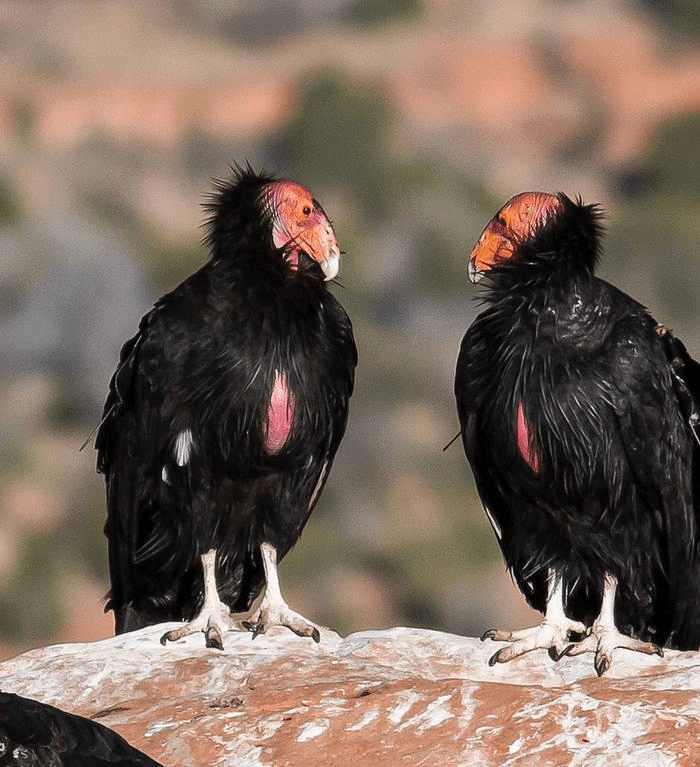
A Peregrine Falcon and a Red-Tailed Hawk were among the magnificent birds of prey that could be seen gliding smoothly above headlights above. Notwithstanding the allure of the natural environment, one must use caution, as Paria Canyon is recognized as cougar territory. In this amazing setting, seeing animals safely and enriching requires being vigilant and keeping a close watch out.
🌱 Wellness Tip: When you come across wildlife in Paria Canyon, or elsewhere in nature, you should always put the safety of you and the animals first. In order to prevent interfering with their normal behavior, always keep a safe distance and observe from a distance. Furthermore, you might endanger yourself and the animals if you try to feed or approach wild animals. Bring binoculars or a zoom lens on your camera instead to observe animals up close while causing the least amount of disturbance to its natural environment.
How To Get To Paria Canyon From Nearby Cities
Here are the routes to reach Paria Canyon from nearby cities:
Las Vegas Nevada: Traveling by car from Las Vegas, NV to Kanab, UT takes around three hours. You’ll begin your journey in the energetic metropolis of Las Vegas then go northeast on a picturesque trip to Kanab, Utah. Experience the unspoiled splendor of the American Southwest as you travel across sections of desert and untamed landscapes.
Salt Lake City: The drive from Salt Lake City, UT to Kanab, UT takes around 4 hours and 45 minutes. You’ll start in Utah’s main city of Salt Lake City and travel south through scenic valleys and hilly areas. Beautiful vistas of Utah’s varied terrain, including expansive plains and snow-capped peaks, may be seen throughout the trip.
Phoenix City: This route travels from the busy city of Phoenix, Arizona to the charming village of Kanab, Utah, in about 5 hours and 30 minutes by car. You will pass through southern Arizona’s dry desert region as you head north, and then you will come to the picturesque regions of northern Arizona and southern Utah.
Best Time To Go Paria Canyon Day Hike
Let’s talk about the best times to hit the trails in Buckskin Gulch and Paria Canyon, and when you might want to steer clear.
Peak Hiking Season (April-June)
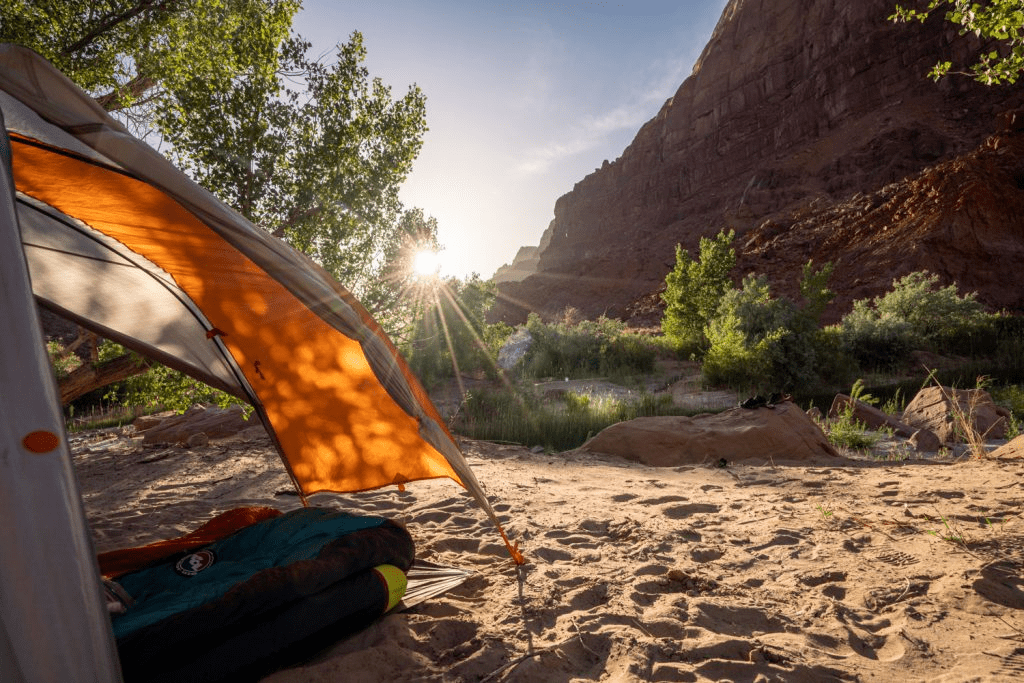
It makes sense to hike the trails during this time of year. Though they can still occur, you have a decreased chance of seeing flash floods because the weather condition isn’t as hot as it might be. However, bear in mind that if you take the trail early in the season, you should be ready for lower temperatures, particularly after the sun sets. Conversely, if you’re traveling later in the season, you should anticipate warmer months.
Hiking in the summer (July/August)
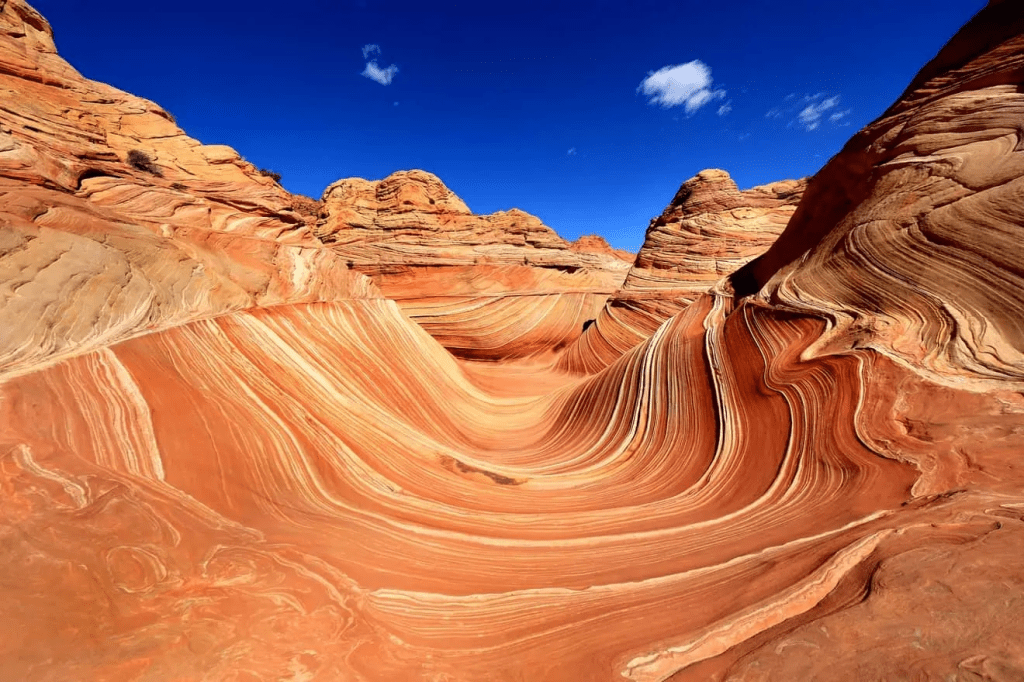
This is the tough part. To be honest, trekking here in July and August is not recommended for the weak of heart. The months when the heat really becomes hot are those that experience it. Triple-digit temperatures may make even evenings feel like you’re roasting in an oven, and there won’t be a sleeping bag or appropriate clothing to provide some respite. Moreover, flash floods are most likely to occur during these months. Therefore, it’s usually better to postpone your hike until a later time unless you have a compelling reason to brave the heat and the floods.
Autumn Hiking (September-November)
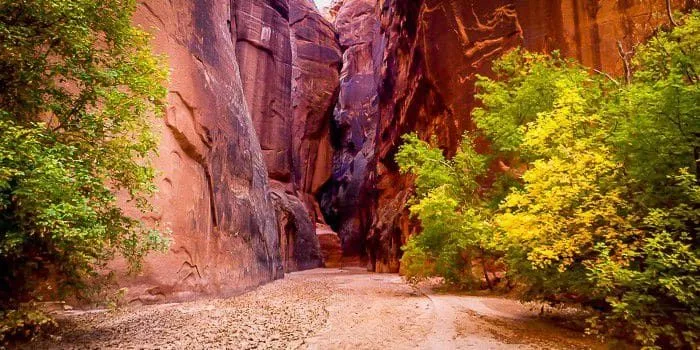
During this season, the trails are beckoning, the air is crisp, and the leaves are beginning to turn. That’s Paria Canyon’s fall hiking season, and I have to say, it’s rather magnificent. This was actually the time I went on my own hike, and I have to admit, it was fantastic. There are still quite a few people out and about, even if it’s not nearly as busy as spring and early summer. Watch for some precipitation; it’s a little more likely than in the spring, but nothing like the summertime deluges.
Winter Hiking (December-February)
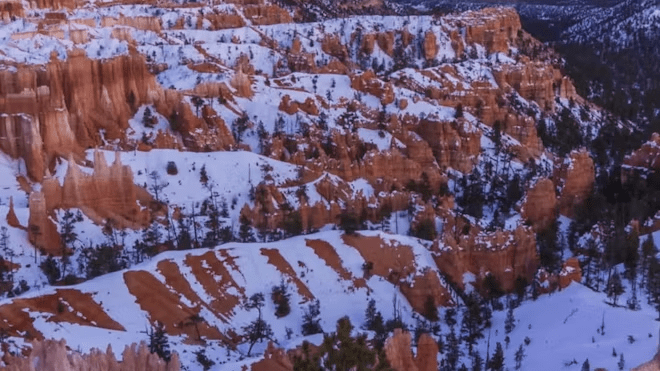
Don’t get me wrong; there’s nothing at all wrong with pulling on a pair of hiking boots and hitting the trails in the winter. But just so you know, it’s going to be cold outside. I mean, this is nose-numbing, teeth-chattering cold. It was quite cold when I went out there in February, I can tell you that much. It’s sub freezing temperatures, people. In addition, you may have to contend with damp circumstances, which might result in even lower temperatures. In order to stay warm and dry on a winter trip, make sure you’re prepared for the weather and maybe think about investing in some waders or a dry bottom!
Parking Tips You Should Know
The parking information for Paria Canyon may change according to the trailhead or access point you want to utilize. This is a broad summary:
Whitehouse Trailhead: One of the main entrance locations for hiking Paria Canyon is the White House Trailhead. It is situated between Page, Arizona, and Kanab, Utah, off of Highway 89. There is a designated parking lot near the trailhead, but it fills up rapidly, especially in the summer months. It is best to arrive early in order to get parking.
Lee Ferry’s Trailhead: Another well-liked place to begin a hike in Paria Canyon is Lee’s Ferry, which is close to Marble Canyon, Arizona. There is parking at the Lee’s Ferry Campground; depending on how long your journey is, you may need an overnight parking permit. Make sure you review the most recent rules and secure any required permissions ahead of time.
Buckskin Gulch Trailhead: Buckskin Gulch is a well-known slot canyon in Paria Canyon; to get there, you usually need to park at the Wire Pass Trailhead. House Rock Valley Road leads to this trailhead in Utah, which is located south of Highway 89. Parking could be scarce, so make plans appropriately and, if it’s feasible, think about carpooling.
Other Trailheads and Access Locations: There may be other trailheads or access locations with designated parking places in Paria Canyon, depending on your particular hiking route or itinerary. It’s crucial to do some prior study on the route you’ve selected, become familiar with parking choices, and learn about any applicable laws or permit needs.
What Should Be The Length Of Your Trip?
I’d recommend allowing around 4 to 5 days for your walk across the canyon. The catch is that if you go for four days, you’ll cover more territory each day but will have to carry less food because you’ll need to take it all with you. However, your hiking days will be more relaxed if you choose a 5-day walk, but your pack will be heavier due to the additional food!
Important Things You Need To Know When Traveling To Paria Canyon
Avoid camping in washes or low-lying regions (Risk of flash floods)
When trekking in arid areas, flash floods pose a serious risk. Because flash floods may be rather dangerous, it is important to avoid camping in washes or low-lying regions, especially during the rainy season. It’s essential to check local tourist centers and weather predictions before leaving on your journey in order to be aware of any potential flash flood warnings or area closures.
Camp in allotted areas or on solid surfaces
Try to set up camp whenever you can, preferably on solid surfaces like escarpments of rock. This guarantees a safer camping experience and reduces the impact on the environment.
Pack away human waste
Use wag bags or other suitable techniques to dispose of human waste in a way that protects water sources and the natural beauty of Paria Canyon.
Keep up to date with Garmin InReach
Carry a device that can get daily weather information from Garmin. You can stay safe on your journey and be ready for changing conditions by checking the weather often.
Drinking water filter
To avoid contracting any diseases from contaminated water, you should always filter or treat any water that comes from natural sources.
Be wary of uranium contamination
Some springs may include uranium contamination, so be wary of any possible contamination. You can locate sources of clean water by reading the material that ranger stations give.
Bring more food
It’s a good idea to bring enough food to last you for a few more days after your vacation is scheduled to end. Having additional supplies on hand can save your life in the event of emergencies or unanticipated delays.
Avert camping right next to water sources
To reduce disruption to wildlife and guarantee that animals may still reach water, avoid setting up camp right next to water sources.
Test Surfaces Before Stepping
Be cautious while stepping on uncharted territory. Verify the stability of surfaces before walking on them to steer clear of any possible dangers like mud, collapsing rocks, or quicksand.
Be Aware of Rescue Expenses
Rescue efforts in isolated locations, such as Paria Canyon, can be expensive. Precautions and the use of safety protocols can help avert mishaps and the requirement for emergency airlifts.
Paria Canyon Day Hike: A Unique Experience
Perhaps you might be wondering if it’s worth it to go to Paria Canyon. Well, my answer is yes. It’s unquestionably worthwhile for outdoor enthusiasts and nature lovers to explore Paria Canyon. Because of its breathtaking scenery, varied landforms, and extensive geological history, the canyon offers a singular and memorable wilderness experience. Hiking through Paria Canyon is a great way to take in the breathtaking views of the vast desert, tight slot canyons, and towering sandstone cliffs. Discovering secret coves, seeing prehistoric petroglyphs, and relaxing in pure springs are all possibilities. Paria Canyon provides something really unique, whether you’re looking for solitude, adventure, or just a chance to get in touch with nature. To make the most of your time in this amazing natural marvel and majestic Paria Canyon Day Hike, just remember to pack sensibly, prepare ahead, and show consideration for the endangered ecology!

 Travel Articles
Leave a comment